Table of Contents
When sourcing premium T-shirts, hoodies, or other knitted garments, most clothing brands focus on fabric composition, GSM, stitching, or printing techniques. However, one of the most important quality processes happens long before a garment is cut and sewn – fabric compacting.
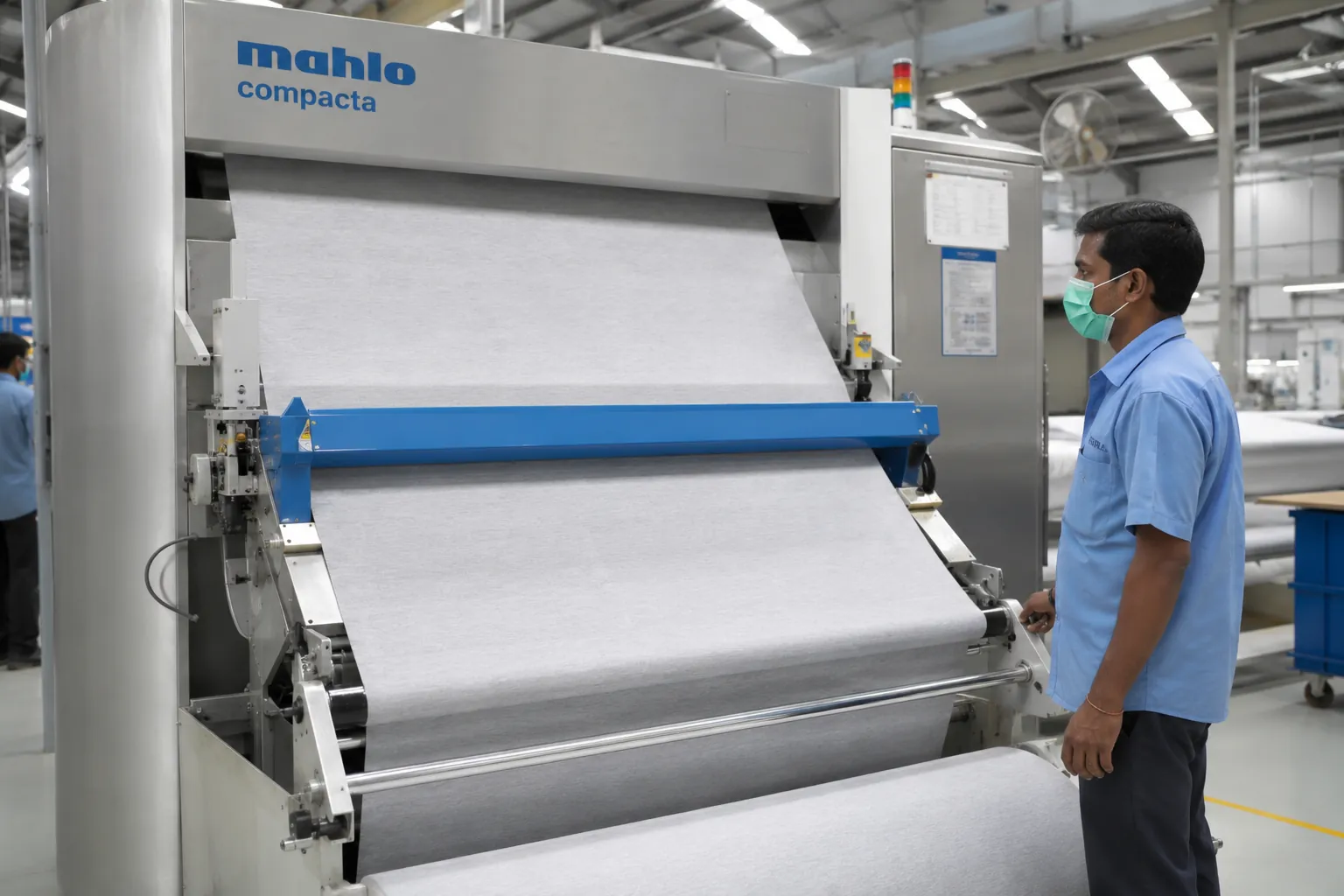
Compacting is a finishing process used in knitted fabric manufacturing to reduce shrinkage, improve dimensional stability, and ensure garments maintain their size and shape after washing. While consumers rarely notice this process, it plays a significant role in determining whether a garment continues to fit well after repeated use.
For clothing brands, understanding compacting can help in selecting reliable manufacturers and producing garments that meet international quality expectations.
Quick Answer
Compacting is a mechanical finishing process that compresses knitted fabric under controlled heat, moisture, and pressure to reduce residual shrinkage, stabilize fabric dimensions, and improve the overall quality of garments before cutting and sewing.
Why Is Compacting Important?
Knitted fabrics naturally stretch during knitting, dyeing, washing, and finishing. Without stabilization, the fabric may continue to relax after the garment reaches the customer, leading to unwanted shrinkage and inconsistent sizing.
Compacting minimizes these issues by allowing the fabric to reach a more stable state before production begins.
A properly compacted fabric helps manufacturers deliver garments that maintain their intended fit throughout their lifespan.
What Problems Does Compacting Prevent?
Without compacting, knitted fabrics are more likely to experience:
- Excessive shrinkage after washing
- Twisting (spirality)
- Inconsistent garment measurements
- Uneven fabric density
- Higher rejection rates during quality inspection
- Customer complaints related to sizing
These issues become especially costly for brands selling premium apparel where fit consistency is a key selling point.
How Does the Compacting Process Work?
After the fabric has been knitted, dyed, washed, and dried, it passes through a compacting machine.
Although different machines operate slightly differently, the process generally involves the following steps:
- Moisture conditioning to prepare the fabric.
- Controlled heating.
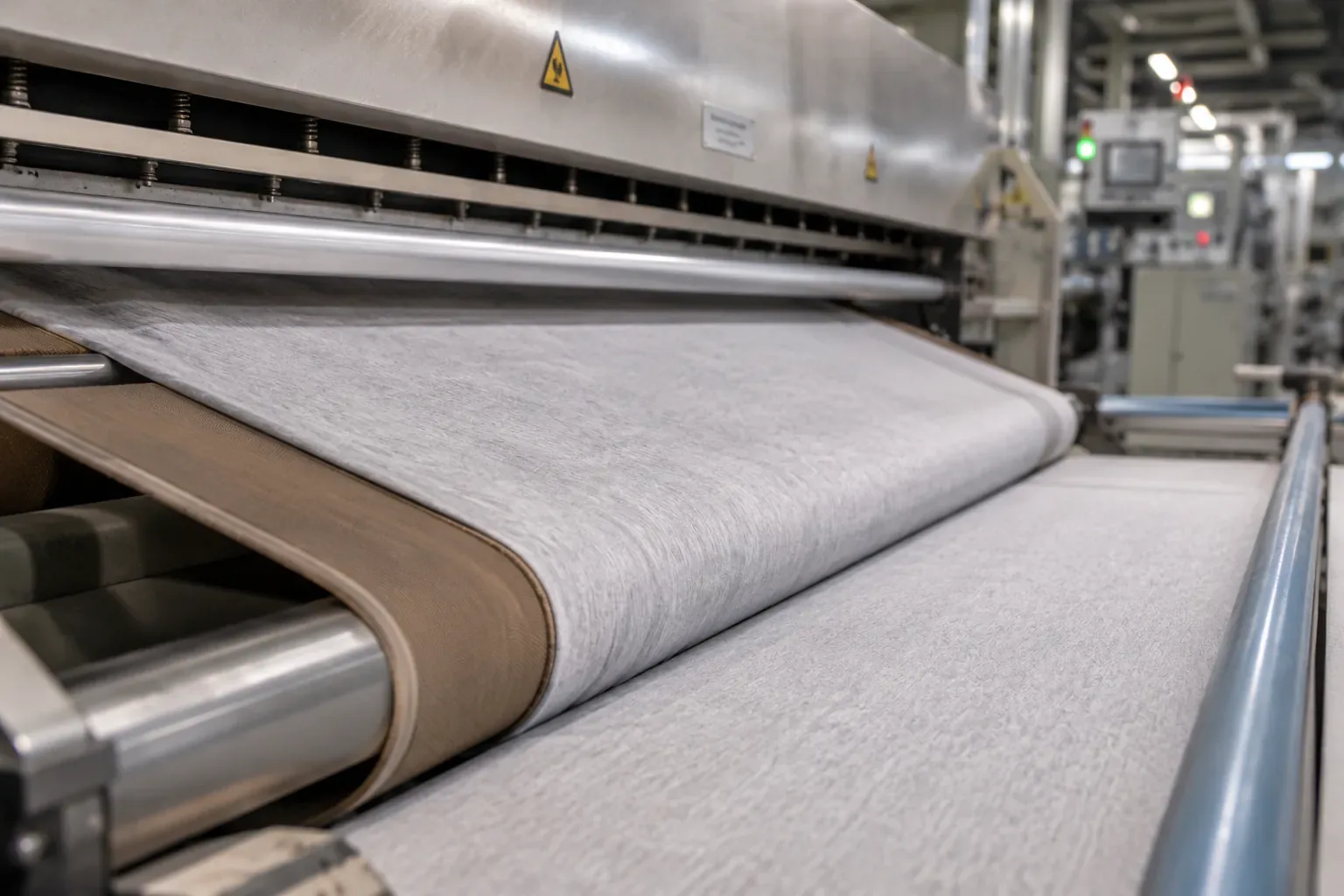
- Compression using specialized rollers or conveyor blankets.
- Mechanical relaxation of the knitted loops.
- Cooling and winding.
Instead of stretching the fabric, the machine gently compresses its structure, allowing the loops to relax into a more stable configuration.
The result is fabric that is less likely to shrink during consumer washing.
What Happens Inside the Fabric?
Knitted fabrics are made from interconnected loops rather than tightly woven yarns.
During knitting and dyeing, these loops become elongated and unstable.
Compacting allows these loops to:
- Return closer to their natural shape
- Become evenly distributed
- Relax internal stresses
- Improve dimensional stability
Importantly, compacting does not chemically alter the fibers. It is a purely mechanical finishing process.
Benefits of Compacting Knitted Fabrics
1. Reduces Shrinkage
The primary objective of compacting is shrinkage control.
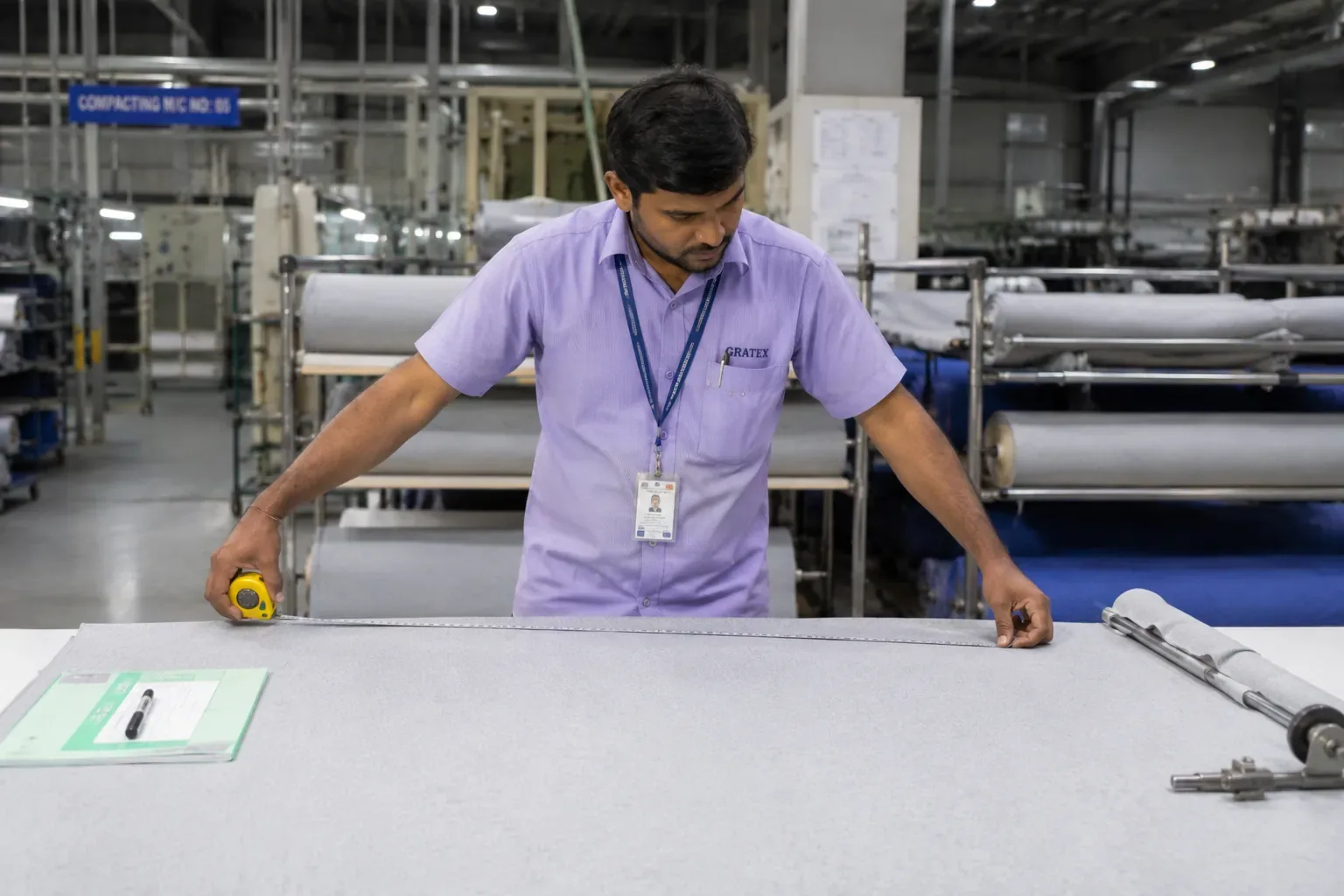
Export-quality knitted fabrics are typically expected to maintain shrinkage within acceptable buyer tolerances, commonly around ±5%, although exact requirements vary depending on the customer, fabric type, and testing standard.
Lower shrinkage means garments retain their original measurements after repeated washing.
2. Improves Dimensional Stability
Dimensional stability refers to a fabric’s ability to maintain its original size and shape.
Stable fabrics provide:
- Consistent garment sizing
- Better pattern accuracy
- Improved fit consistency
- Lower production wastage
For brands selling internationally, dimensional stability is an essential quality requirement.
3. Creates a Premium Fabric Feel
Compacted fabrics often feel:
- Softer
- Fuller
- More structured
- More premium
Although compacting is primarily intended to improve stability, it also contributes to the overall hand feel of high-quality knitted garments.
4. Improves GSM Consistency
Compacting does not add material to the fabric.
Instead, by compressing the knitted loops into a more stable structure, the fabric becomes denser and GSM measurements become more consistent across production lots.
This consistency is especially valuable when manufacturing premium T-shirts where uniform appearance is important.
5. Enhances Printing and Embroidery Results
Stable fabric creates a better surface for garment decoration.
Benefits include:
- Cleaner screen printing
- Sharper puff prints
- Improved embroidery alignment
- Less design distortion after washing
For fashion brands using multiple branding techniques, compacting contributes to better overall product quality.
Which Fabrics Usually Undergo Compacting?
Compacting is commonly used for knitted fabrics such as:
- Single Jersey
- Interlock
- Rib Knit
- French Terry
- Piqué
- Fleece
- Loop Knit
- Cotton-polyester blends
- Organic cotton knits
Cotton-rich fabrics particularly benefit from compacting because cotton naturally tends to shrink during laundering.
Compacting vs. Heat Setting
These two finishing processes are often confused, but they serve different purposes.
| Compacting | Heat Setting |
|---|---|
| Primarily used for knitted fabrics | Primarily used for synthetic fabrics |
| Controls shrinkage | Stabilizes synthetic fiber shape |
| Mechanical finishing process | Thermal finishing process |
| Common with cotton fabrics | Common with polyester and nylon |
| Improves dimensional stability | Prevents deformation in synthetic fibers |
Blended fabrics may undergo both processes depending on their fiber composition.
Compacting vs. Sanforizing
Compacting and sanforizing share the same goal-reducing shrinkage-but they are designed for different fabric constructions.
| Compacting | Sanforizing |
|---|---|
| Used for knitted fabrics | Used for woven fabrics |
| Compresses knitted loops | Compresses woven yarns |
| T-shirts, hoodies, knitwear | Shirts, trousers, denim |
| Knitted garment production | Woven garment production |
Does Compacting Completely Eliminate Shrinkage?
No.
No finishing process can completely eliminate shrinkage.
However, proper compacting significantly reduces residual shrinkage, helping garments remain within the acceptable tolerances required by most buyers.
Final shrinkage also depends on:
- Fabric composition
- Knitting quality
- Dyeing process
- Washing methods
- Consumer garment care
Where Does Compacting Fit in the Manufacturing Process?
For most knitted garments, the production sequence follows this order:
- Yarn procurement
- Knitting
- Fabric inspection
- Dyeing
- Washing
- Drying
- Compacting
- Final fabric inspection
- Fabric relaxation
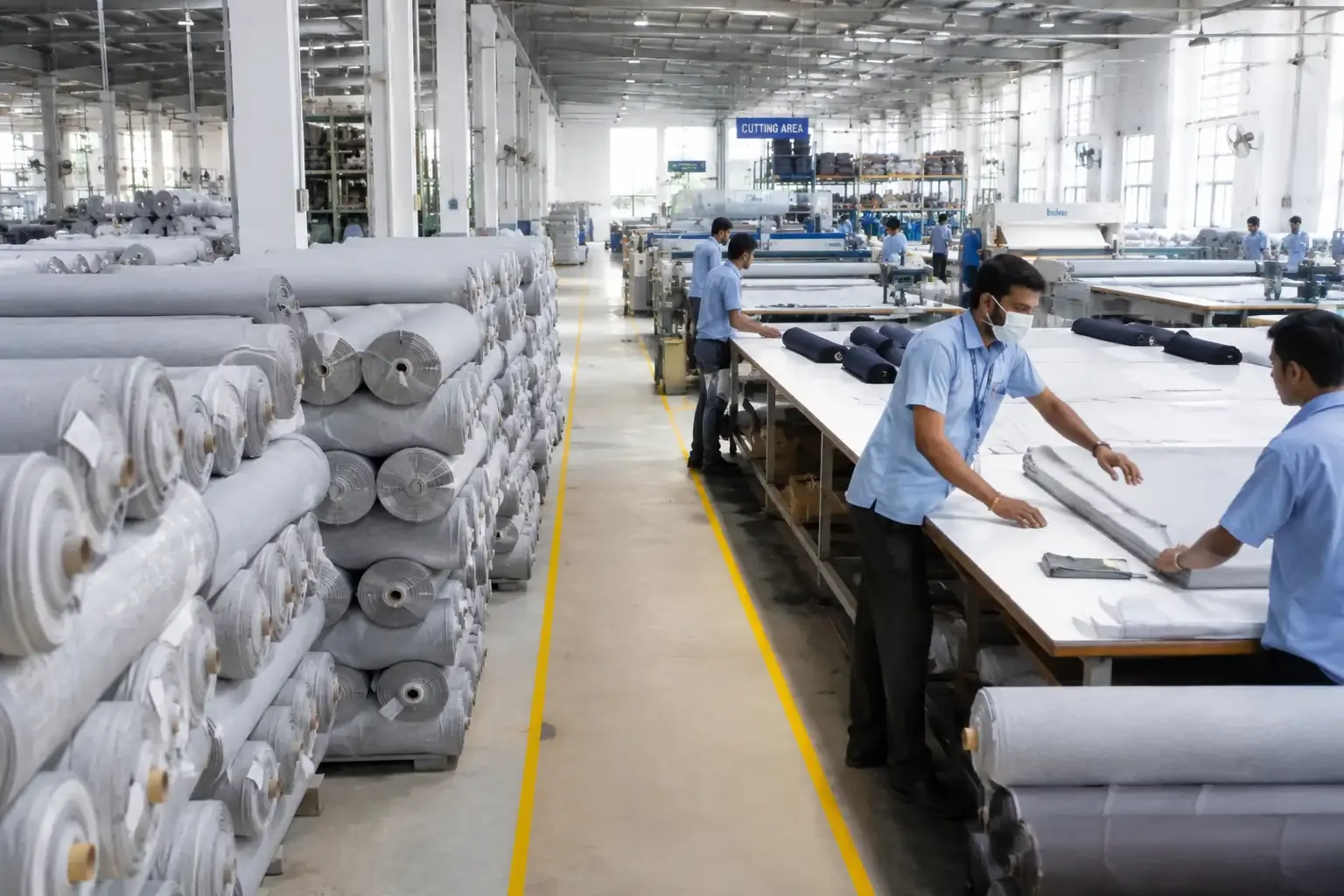
- Cutting
- Sewing
- Printing or embroidery
- Finishing and packing
Compacting is generally one of the last fabric-finishing processes before garment production begins.
Why Clothing Brands Should Ask About Compacting
Many brands ask about fabric composition and GSM but overlook finishing processes.
Asking whether the fabric has been compacted demonstrates technical understanding and helps evaluate a manufacturer’s quality standards.
Useful questions include:
- Is the fabric compacted before cutting?
- What shrinkage tolerance do you guarantee?
- Do you perform shrinkage testing after compacting?
- Can you provide shrinkage test reports?
- Which compacting machines are used during finishing?
Manufacturers that openly discuss these quality processes are generally better equipped to produce consistent export-quality garments.
Looking for a Knitted Garment Manufacturing Partner?
Understanding processes like fabric compacting is just one part of producing high-quality apparel. Consistent results also depend on proper yarn selection, knitting, dyeing, finishing, pattern development, and strict quality control throughout production.
At Texora Sourcing, we help clothing brands develop and manufacture premium knitted garments through our trusted network of export-oriented manufacturing partners in Tiruppur, India. Whether you’re launching a new collection or scaling an established brand, we guide you through every stage-from fabric sourcing and sample development to bulk production and final quality inspection.
If you’re looking for a manufacturing partner who prioritizes quality, transparency, and long-term reliability, our team is here to help.
Have a design or tech pack ready? Get in touch with us to discuss your project and receive expert guidance on fabrics, construction, and manufacturing options.
FAQ
Compacting is a mechanical finishing process that compresses knitted fabrics under controlled conditions to reduce shrinkage and improve dimensional stability before garment production.
It helps garments maintain their original size, reduces shrinkage, improves fit consistency, and contributes to better overall product quality.
Single Jersey, French Terry, Interlock, Rib Knit, Piqué, Fleece, and many other knitted fabrics commonly undergo compacting before cutting.
No. Compacting is primarily used for knitted fabrics, while sanforizing is designed for woven fabrics such as denim and shirting.
Yes. While its main purpose is shrinkage control, compacting also improves dimensional stability, fabric appearance, and consistency, making it an important step in producing high-quality knitted garments.
Editorial Note
This guide has been reviewed by professionals with practical experience in knitted garment sourcing and apparel manufacturing. The information reflects commonly accepted production practices followed by export-oriented knitting and garment facilities in Tiruppur, India. Specific compacting parameters may vary depending on the fabric composition, GSM, machine settings, and buyer quality requirements.