Bio Wash vs Silicone Wash: Understanding the Difference
If you’re sourcing premium cotton T-shirts, you’ve probably come across the terms Bio Wash and Silicone Wash. Although both processes improve the feel and appearance of fabric, they serve different purposes during garment finishing.
Many clothing brands assume they are competing alternatives. In reality, they are often used together to achieve a softer hand feel, cleaner fabric surface, and a more premium finished garment.
Understanding how each finishing process works can help you choose the right fabric specification for your brand, reduce quality issues, and deliver a better customer experience.
Quick Answer
Bio Wash is an enzyme treatment that removes loose cotton fibers from the fabric surface, making the fabric cleaner, smoother, and less prone to pilling.
Silicone Wash is a finishing treatment that applies silicone-based softeners to the fabric, creating a luxurious, silky, and smooth hand feel.
For most premium cotton T-shirts, manufacturers commonly perform Bio Wash first, followed by Silicone Wash, because the two processes complement each other rather than replace one another.
What Is Bio Wash?
Bio Wash, also known as enzyme washing, is a textile finishing process that uses natural cellulose enzymes to remove tiny loose fibers from the surface of cotton fabrics.
Unlike harsh chemical treatments, enzymes selectively act on protruding cellulose fibers without significantly damaging the main structure of the fabric when the process is properly controlled.
The result is a cleaner, smoother, and more refined fabric surface.
Benefits of Bio Wash
- Reduces surface fuzz
- Minimizes pilling
- Produces a cleaner fabric appearance
- Improves softness naturally
- Enhances color clarity
- Creates a more premium finish
- Improves comfort against the skin
Bio Wash is widely used for cotton T-shirts, polo shirts, sweatshirts, children’s wear, and other knit garments where comfort and appearance are important.
How Does Bio Wash Work?
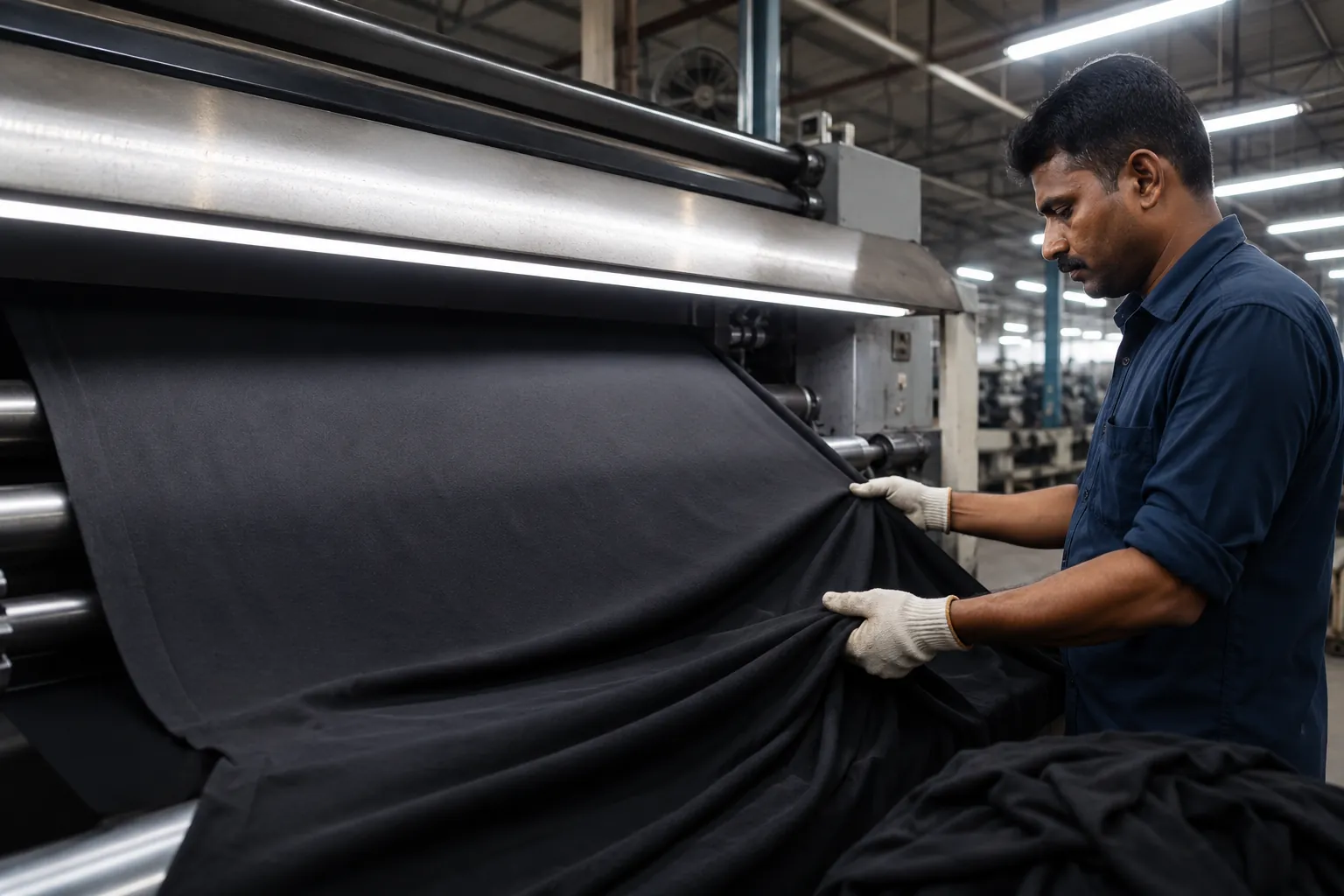
After knitting and dyeing, the fabric is placed in a controlled washing machine with cellulose enzymes.
During the process:
- Enzymes break down loose surface fibers.
- Detached fibers are washed away.
- The enzyme action is stopped by adjusting the process conditions.
- The fabric is rinsed thoroughly.
- The fabric proceeds to drying and subsequent finishing.
Because the treatment targets only protruding fibers, the fabric develops a cleaner and smoother surface while maintaining its overall structure.
What Is Silicone Wash?
Silicone Wash is a fabric finishing process in which silicone-based softeners are applied after dyeing and washing to enhance the fabric’s hand feel.
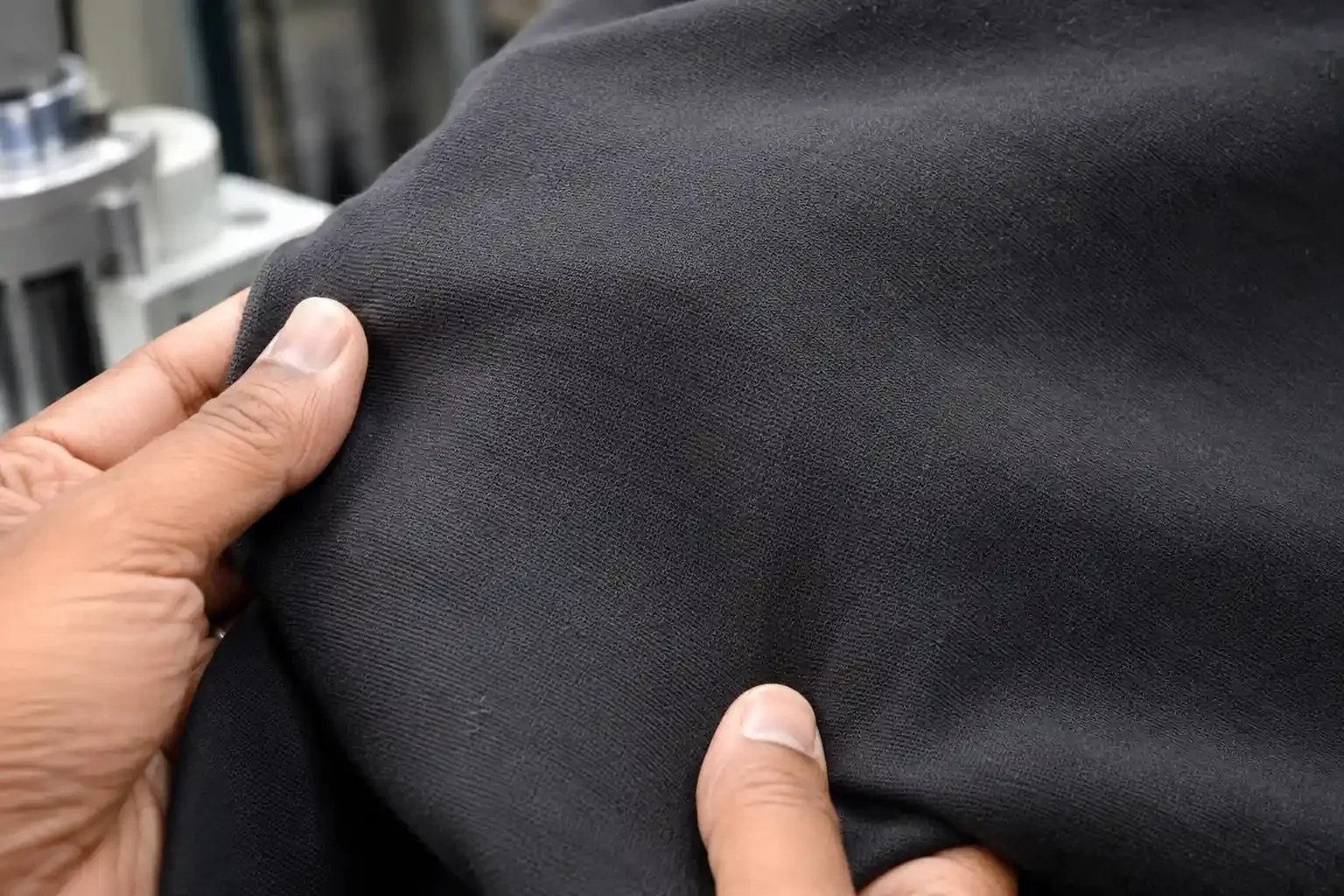
Instead of removing fibers, silicone forms a thin, flexible coating around the yarns, reducing friction between fibers and creating an exceptionally soft, smooth texture.
This finish is commonly used in premium apparel where customer perception of softness is a key selling point.
Benefits of Silicone Wash
Silicone finishing offers several advantages:
- Luxuriously soft hand feel
- Smooth fabric surface
- Better drape
- Reduced fabric friction
- Improved wearer comfort
- Premium appearance
- Enhanced customer perception
Many premium oversized T-shirts, streetwear garments, and luxury basics receive silicone finishing because it creates the soft feel that customers often associate with higher-quality products.
How Does Silicone Wash Work?
After the fabric has been dyed and washed, a measured amount of silicone softener is applied through padding, exhaustion, or spraying, depending on the production process.
The fabric is then dried and cured so the silicone finish bonds effectively with the fabric surface.
Unlike Bio Wash, Silicone Wash does not remove fibers. Instead, it enhances softness by lubricating the fiber surface.
Bio Wash vs Silicone Wash: Quick Comparison
| Feature | Bio Wash | Silicone Wash |
|---|---|---|
| Main Purpose | Removes loose fibers from the fabric surface. | Creates a softer and smoother fabric finish. |
| Process Type | Enzyme treatment. | Silicone softener finish. |
| Softness | Soft. | Very soft and silky. |
| Pilling | Excellent reduction. | Moderate reduction. |
| Hairiness | Removes surface fuzz. | Does not remove fuzz. |
| Appearance | Cleaner and refined. | Smoother with better drape. |
| Shrinkage | Helps stabilize the fabric. | No significant effect. |
| Feel | Natural cotton feel. | Silky luxury feel. |
| Durability | Permanent improvement. | Softness gradually reduces over time. |
| Best For | Everyday and premium cotton garments. | Luxury apparel and premium T-shirts. |
| Cost | Lower. | Higher. |
| Can Be Combined? | Yes. | Yes. |
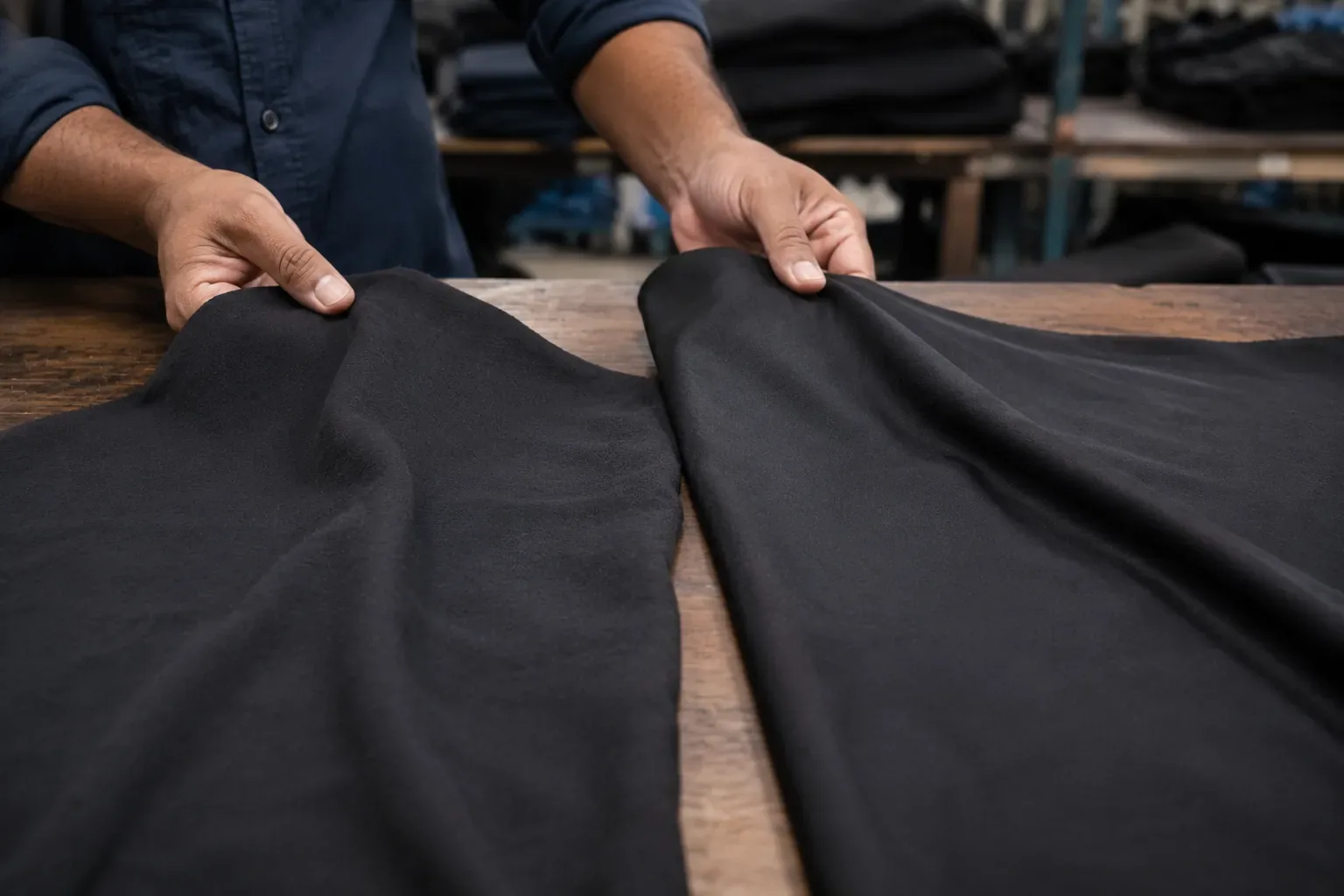
Key Differences Between Bio Wash and Silicone Wash
Although both processes improve fabric quality, they achieve different objectives.
Bio Wash focuses on improving the fabric itself by removing unwanted surface fibers. The result is a cleaner, less fuzzy fabric with improved resistance to pilling.
Silicone Wash focuses on improving the feel of the fabric by adding softness and enhancing drape. It creates the smooth, silky sensation many consumers expect from premium garments.
Because they solve different problems, manufacturers frequently apply both finishes in sequence.
Instead of asking which process is better, the more useful question is whether your product benefits from one finish or from both.
For most premium cotton T-shirts, the answer is both.
Bio Wash vs Silicone Wash: A Detailed Comparison
While both Bio Wash and Silicone Wash improve the quality of cotton garments, they do so in different ways. Choosing the right finish depends on your product goals, target customers, and budget.
1. Softness
Softness is one of the biggest reasons clothing brands choose these finishing processes.
Bio Wash naturally softens the fabric by removing loose surface fibers. The result is a cleaner, smoother cotton feel while preserving the fabric’s natural texture.
Silicone Wash goes a step further by coating the fibers with silicone-based softeners, creating a silky, luxurious hand feel that is immediately noticeable.
Winner: Silicone Wash
2. Surface Appearance
Bio Wash removes tiny protruding fibers that make fabric look fuzzy. This gives the fabric a cleaner and more refined appearance.
Silicone Wash improves the way light reflects from the fabric, making it appear smoother and slightly richer. However, it does not remove surface fuzz by itself.
For the best visual finish, manufacturers often perform Bio Wash before Silicone Wash.
Winner: Bio Wash for cleanliness, Silicone Wash for luxury appearance.
3. Pilling Resistance
Pilling occurs when loose fibers on the fabric surface rub together and form small balls during wear.
Because Bio Wash removes these loose fibers, it significantly reduces the chances of pilling.
Silicone Wash reduces friction between fibers, which may improve the fabric’s feel, but it is not primarily designed to prevent pilling.
Winner: Bio Wash
4. Durability of the Finish
Bio Wash permanently changes the fabric surface by removing loose fibers. Once these fibers are gone, they do not return.
Silicone Wash creates a soft finish that gradually decreases after repeated home laundering. The exact longevity depends on the type of silicone used, wash conditions, and garment care.
Winner: Bio Wash
5. Shrinkage
Neither Bio Wash nor Silicone Wash is a dedicated shrinkage-control process.
Shrinkage is mainly controlled through:
- Fabric compaction
- Sanforizing (for woven fabrics)
- Proper knitting parameters
- Controlled dyeing and finishing
Bio Wash may help stabilize the fabric surface after processing, while Silicone Wash has little direct effect on dimensional stability.
Winner: Neither
6. Color Appearance
Bio Wash removes surface fuzz that can make dyed fabrics appear dull. As a result, colors often look cleaner and more defined.
Silicone Wash gives the fabric a smoother surface, which can enhance the richness of the color and create a premium visual finish.
For deep black, navy, and other rich shades, combining both treatments often produces the best overall appearance.
Winner: Tie
7. Comfort
Both finishes improve comfort, but they create different sensations.
Bio Wash provides the soft, breathable feel that many people associate with high-quality cotton.
Silicone Wash creates a noticeably smoother and silkier touch, making garments feel more luxurious from the first wear.
For premium streetwear and fashion basics, Silicone Wash is often preferred because customers immediately notice the softness.
Winner: Silicone Wash
8. Cost
Bio Wash is generally less expensive because it uses enzyme treatment during the finishing process.
Silicone Wash requires additional chemicals and processing, making it a higher-cost finish.
For large production runs, the cost difference can be meaningful, especially for price-sensitive products.
Winner: Bio Wash
9. Sustainability
Bio Wash uses biodegradable enzymes and is generally considered a more environmentally friendly process when managed responsibly.
Silicone finishes vary depending on the chemistry used. Modern textile-grade silicone softeners are designed to meet environmental standards, but their sustainability depends on the specific formulation and manufacturing practices.
Brands with strong sustainability goals should discuss finishing chemicals and certifications with their manufacturer.
Which Finish Is Best for Different Garments?
| Garment Type | Recommended Finish |
|---|---|
| Everyday Cotton T-Shirts | Bio Wash |
| Premium Basic T-Shirts | Bio Wash + Silicone Wash |
| Oversized Streetwear T-Shirts | Bio Wash + Silicone Wash |
| Polo Shirts | Bio Wash |
| Luxury Fashion Apparel | Bio Wash + Silicone Wash |
| Children’s Wear | Bio Wash |
| Hoodies & Sweatshirts | Silicone Wash or Bio Wash + Silicone Wash |
Can Bio Wash and Silicone Wash Be Used Together?
Yes. In fact, this is the finishing combination used by many premium garment manufacturers.
The typical finishing sequence is:
- Knit the fabric
- Dye the fabric
- Perform Bio Wash to remove loose fibers
- Apply Silicone Wash to enhance softness
- Compact and dry the fabric
- Cut, sew, and finish the garment
Using both treatments allows the fabric to benefit from the strengths of each process.
Common Myths About Bio Wash and Silicone Wash
Myth 1: Silicone Wash replaces Bio Wash.
Reality: Silicone Wash improves softness but does not remove loose surface fibers. Bio Wash is still needed if the goal is to reduce fuzz and pilling.
Myth 2: Bio Wash makes fabric silky.
Reality: Bio Wash creates a naturally soft cotton feel. The silky sensation usually comes from Silicone Wash.
Myth 3: Silicone Wash permanently prevents pilling.
Reality: Silicone Wash improves hand feel but does not permanently eliminate pilling. Bio Wash is more effective for reducing surface fibers that contribute to pilling.
Myth 4: Every premium T-shirt uses only one finishing process.
Reality: Many premium cotton garments receive both Bio Wash and Silicone Wash because the treatments complement each other.
Expert Recommendation
For premium cotton T-shirts, oversized streetwear, and private-label apparel, the best results are typically achieved by combining Bio Wash and Silicone Wash.
Bio Wash creates a cleaner fabric surface with reduced pilling, while Silicone Wash adds the luxurious softness and drape that customers expect from premium garments.
If you’re developing a budget-friendly product, Bio Wash alone often provides an excellent balance of quality and cost.
If your goal is a luxury product with a noticeably softer hand feel, using both finishes together is generally the preferred manufacturing approach.
Frequently Asked Questions (FAQs)
Neither is universally better because they serve different purposes. Bio Wash removes loose fibers, reduces pilling, and creates a cleaner fabric surface. Silicone Wash enhances softness and gives the fabric a smooth, luxurious hand feel. For premium cotton T-shirts, using both finishes together often delivers the best overall results.
Yes. In fact, many premium garment manufacturers use both treatments in sequence. Bio Wash is performed first to remove surface fuzz, followed by Silicone Wash to improve softness and drape.
Bio Wash is not a shrinkage-control process. It may help stabilize the fabric surface after finishing, but shrinkage is mainly controlled through compaction, knitting parameters, dyeing, and finishing techniques.
The soft feel from Silicone Wash may gradually reduce over time, depending on the silicone chemistry, washing frequency, detergent, and garment care. However, a properly applied finish can remain effective through many normal wash cycles.
For premium oversized cotton T-shirts, the recommended combination is Bio Wash + Silicone Wash. Bio Wash reduces pilling and creates a cleaner surface, while Silicone Wash provides the soft, premium feel expected in modern streetwear.
When applied correctly, Silicone Wash generally does not affect screen printing on finished garments. However, the finishing process should always be planned according to the chosen printing method and production workflow.
Yes. Bio Wash uses cellulose enzymes specifically designed to act on loose surface fibers. When properly controlled, the treatment improves fabric quality without damaging the main cotton fibers.
Silicone Wash is generally more expensive because it requires additional finishing chemicals and processing. Bio Wash is usually the more economical option.
Luxury apparel often combines Bio Wash and Silicone Wash to achieve a smooth surface, excellent softness, improved drape, and a premium customer experience.
Most 100% cotton and cotton-rich knitted fabrics can undergo Bio Wash, but the exact process depends on the fabric construction, dyeing method, and desired finish. Manufacturers should determine the most suitable finishing process based on the fabric specification.
Key Takeaways
- Bio Wash removes loose fibers using enzymes, resulting in a cleaner surface and better resistance to pilling.
- Silicone Wash applies silicone-based softeners to create a silky, smooth, and luxurious hand feel.
- The two finishes perform different functions and are not direct replacements for each other.
- Combining Bio Wash and Silicone Wash is a common approach for premium cotton T-shirts and high-quality knitwear.
- If cost is a priority, Bio Wash alone offers an excellent balance between quality and affordability.
- If your goal is a luxury product, combining both finishes delivers the best overall result.
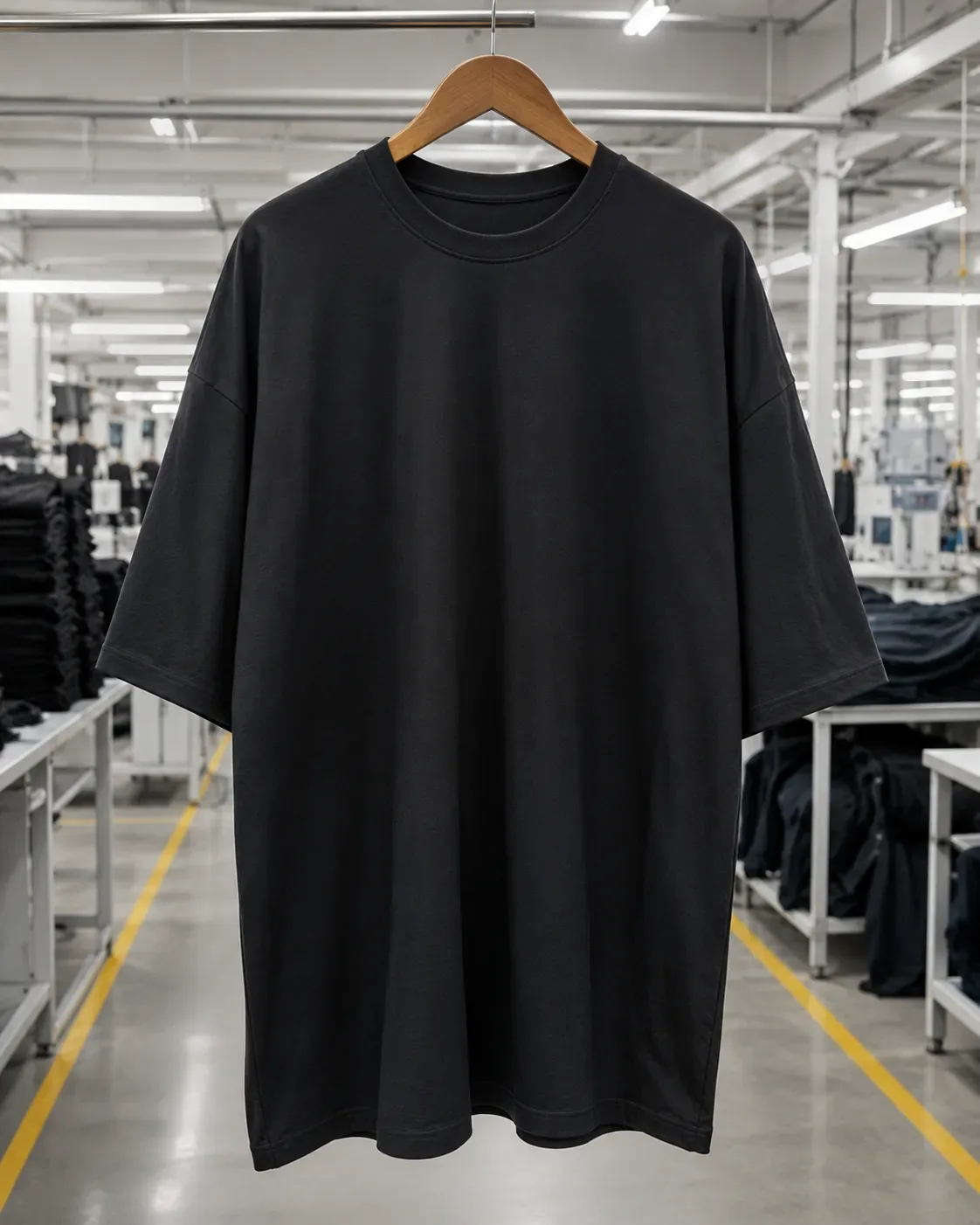
Final Verdict
Choosing between Bio Wash and Silicone Wash should depend on the type of garment you are manufacturing and the experience you want your customers to have.
If your focus is durability, reduced pilling, and a cleaner cotton surface, Bio Wash is an excellent choice.
If your goal is an exceptionally soft, smooth, and luxurious hand feel, Silicone Wash provides a noticeable improvement in comfort and perceived quality.
For premium cotton T-shirts, oversized streetwear, and private-label apparel, the most effective solution is often Bio Wash followed by Silicone Wash. This combination delivers the natural benefits of enzyme treatment together with the luxurious softness of silicone finishing, resulting in garments that look better, feel better, and offer a higher-value experience for customers.
Conclusion
Bio Wash and Silicone Wash are two of the most widely used finishing processes in modern garment manufacturing. Although they are often compared, they are designed to achieve different outcomes.
Bio Wash improves the fabric by removing loose fibers, reducing pilling, and creating a cleaner surface. Silicone Wash enhances the fabric by adding exceptional softness, smoothness, and improved drape.
Understanding the role of each process allows clothing brands, sourcing professionals, and buyers to make informed decisions based on product positioning, customer expectations, and budget.
For manufacturers producing premium cotton apparel, using Bio Wash followed by Silicone Wash is a proven finishing combination that balances durability, comfort, appearance, and perceived quality.
Whether you’re developing everyday basics or luxury streetwear, selecting the right fabric finish can significantly influence the final product and the satisfaction of your customers.