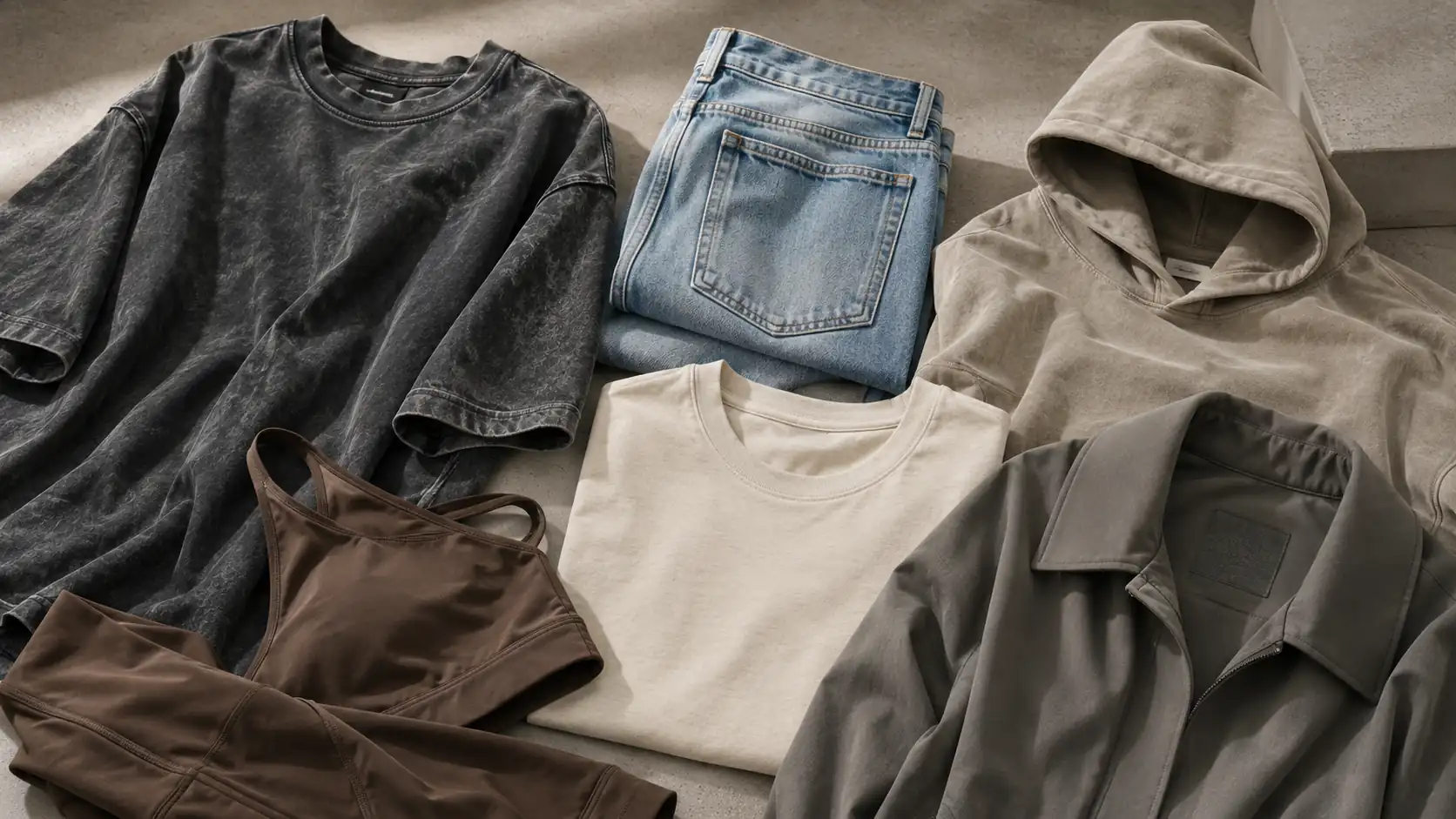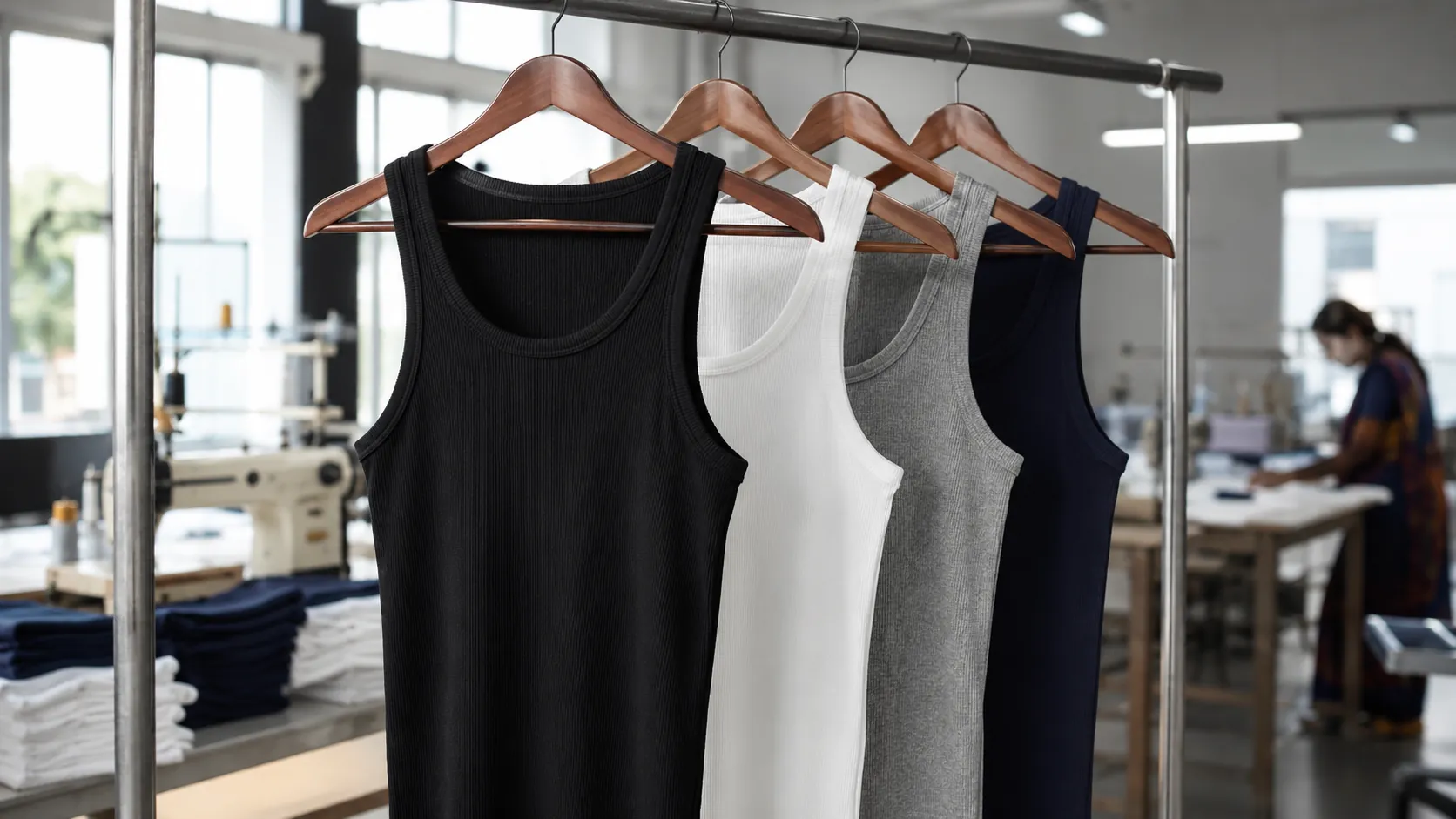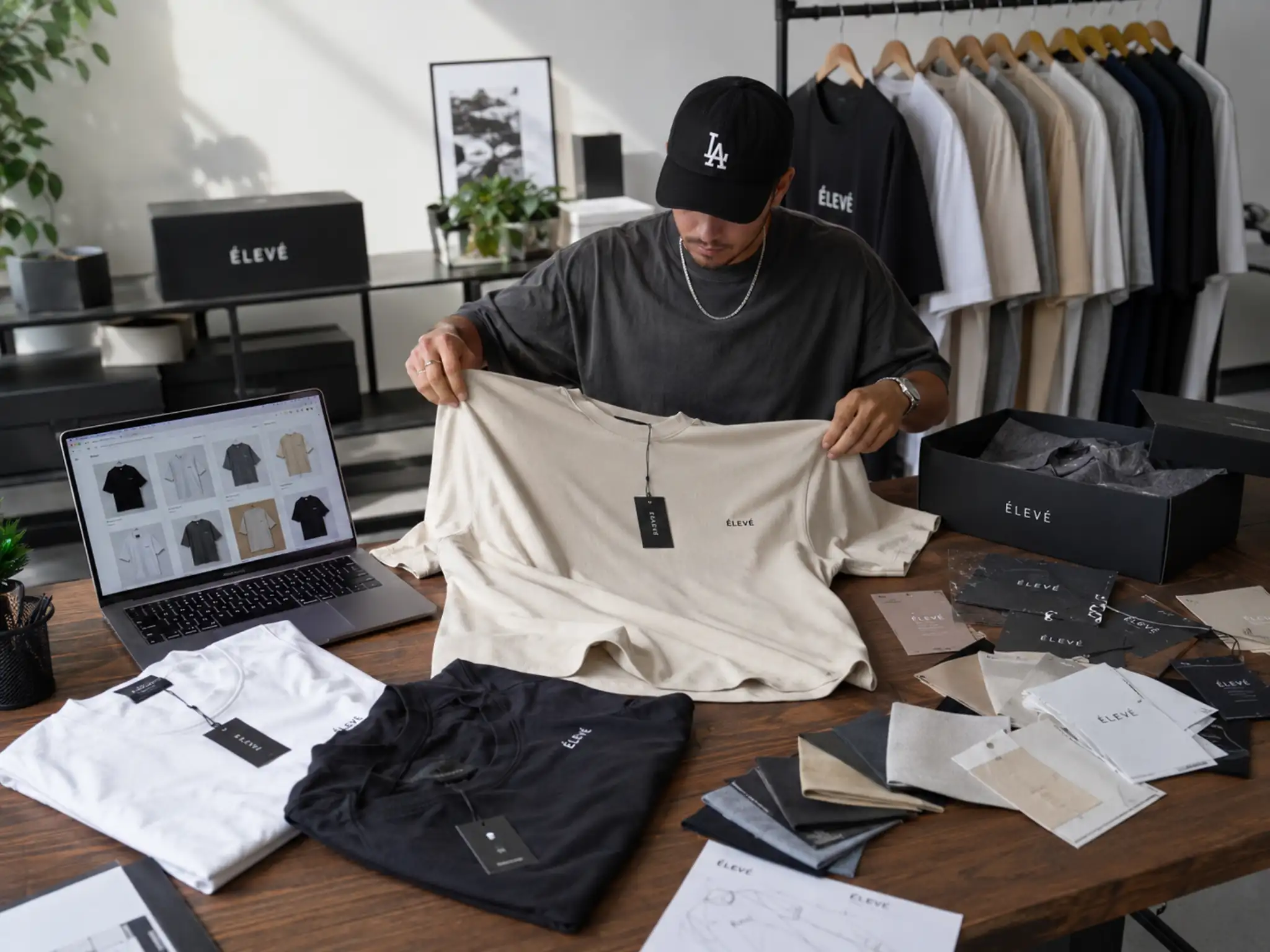
The global fashion industry is changing rapidly, and private label clothing brands are growing faster than ever. From oversized streetwear and luxury basics to sustainable apparel and gymwear, more entrepreneurs are building their own fashion brands without owning factories.
Thanks to modern apparel manufacturing, startups can now work with a reliable private label clothing manufacturer to create custom products under their own brand name. Whether you want to launch a streetwear collection, oversized t-shirt brand, or premium basics line, understanding the private label clothing manufacturing process is essential for long-term success.
In this guide, we’ll walk through everything you need to know about creating a successful private label clothing brand – from choosing your niche and finding a clothing manufacturer to marketing and scaling your business.
What Is a Private Label Clothing Brand?
A private label clothing brand is a fashion brand that sells apparel manufactured by a third-party clothing manufacturer under its own branding.
Instead of producing garments in-house, brands partner with a private label apparel manufacturer that handles:
- Fabric sourcing
- Sampling
- Cutting and stitching
- Printing and embroidery
- Labeling
- Packaging
- Bulk production
The products are then sold under the brand’s logo, tags, and identity.
Private label manufacturing has become one of the most efficient ways to launch a clothing brand because it reduces infrastructure costs while allowing brands to focus on design, branding, and marketing.
Many successful modern streetwear and fashion brands started through private label clothing manufacturing before scaling into large-volume production.
Choose the Right Clothing Brand Niche
One of the biggest mistakes new entrepreneurs make is trying to target everyone.
Strong clothing brands focus on a clear niche and audience.
Popular niches in 2026 include:
- Oversized streetwear
- Minimal luxury basics
- Gymwear and activewear
- Sustainable fashion
- Premium cotton essentials
- Athleisure
- Graphic t-shirts
- Organic clothing
- Casual wear
- Techwear
Oversized t-shirts and modern streetwear are currently dominating social media-driven fashion markets. Many startups are working with oversized t-shirt manufacturers to create relaxed-fit collections with premium GSM fabrics.
When selecting your niche, focus on:
- Market demand
- Social media trends
- Profit margins
- Production complexity
- Audience loyalty
- Repeat purchase potential
A niche-focused brand builds stronger customer trust and improves marketing performance.
Research Your Target Audience
Before contacting a clothing manufacturer, you must understand who you are selling to.
Ask questions like:
- What age group are you targeting?
- What type of fashion do they wear?
- What brands do they follow?
- What price range do they prefer?
- Which platforms influence their buying decisions?
Modern fashion buyers are heavily influenced by:
- Instagram Reels
- TikTok trends
- Pinterest fashion inspiration
- Influencer collaborations
- Celebrity streetwear culture
Researching competitors is also important.
Study:
- Product quality
- Fabric choices
- Pricing
- Website design
- Social media engagement
- Customer reviews
Understanding your audience helps you create better products and position your private label fashion brand effectively.
Create a Strong Brand Identity
A clothing brand is more than just products.
Your identity determines how customers remember and trust your business.
Your brand identity should include:
- Brand name
- Logo
- Typography
- Color palette
- Packaging style
- Product photography style
- Brand messaging
- Social media aesthetic
Strong branding increases perceived value significantly.
Even simple oversized t-shirts can feel premium when paired with:
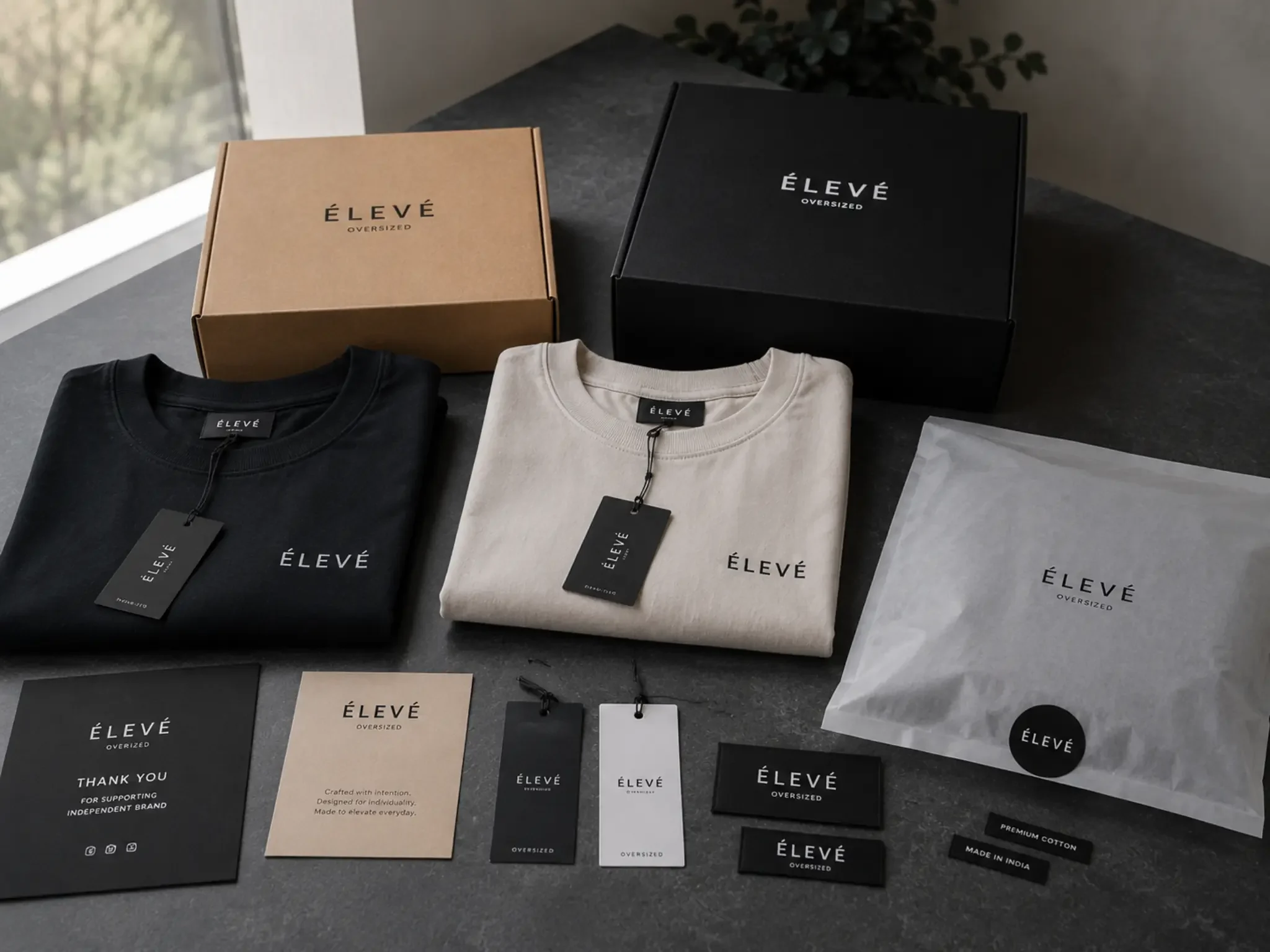
- High-quality labels
- Minimal packaging
- Professional photography
- Consistent branding
Your brand story also matters.
Customers connect emotionally with brands that represent a lifestyle, mission, or culture.
For example:
- Sustainability
- Minimalism
- Street culture
- Fitness lifestyle
- Luxury basics
- Creative expression
A recognizable brand identity creates long-term customer loyalty.
Find the Right Private Label Clothing Manufacturer
Choosing the right private label clothing manufacturer is one of the most important decisions for your business.
A reliable apparel manufacturing company should support:
- Product development
- Fabric sourcing
- Sampling
- Printing
- Embroidery
- Custom labels
- Packaging
- Bulk apparel production
When selecting a clothing manufacturer for startups, look for:
- Low MOQ flexibility
- Export-quality production
- Communication speed
- Fabric expertise
- Sampling capability
- Lead times
- Quality control systems
- Scalability for bulk orders
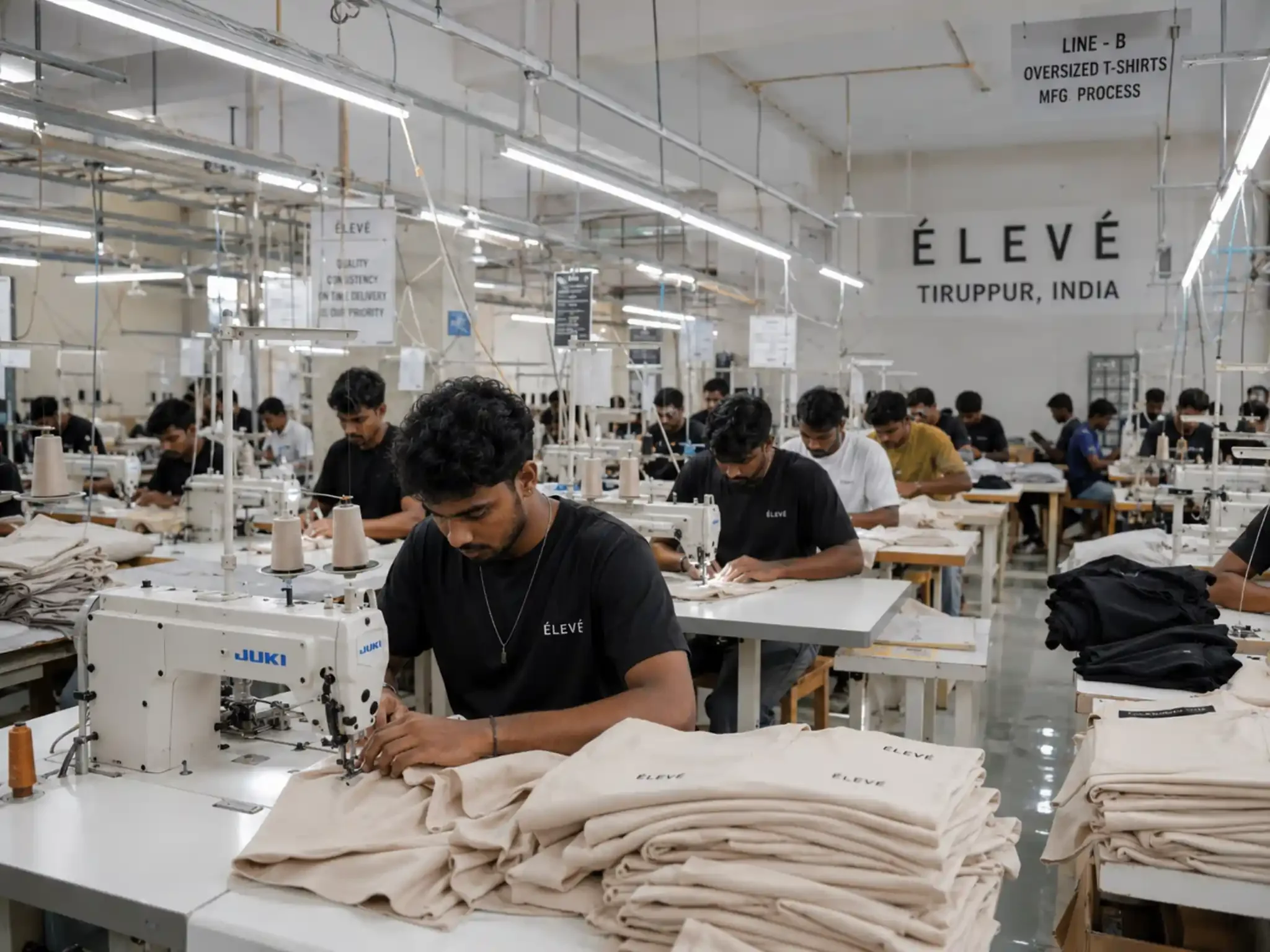
India has become a global hub for private label clothing manufacturing due to its strong textile ecosystem and competitive pricing.
Cities like Tiruppur are especially known for:
- Knitwear manufacturing
- Oversized t-shirt production
- Cotton apparel exports
- Private label garment manufacturing
Many international fashion brands source products from apparel export companies in Tiruppur because of the region’s expertise in cotton garments and scalable production.
Choose Fabrics and GSM Carefully
Fabric quality plays a major role in customer satisfaction.
The right fabric can improve:
- Comfort
- Durability
- Fit
- Brand perception
- Repeat purchases
Popular fabrics used in custom apparel manufacturing include:
- 100% cotton
- Organic cotton
- French terry
- Loopknit cotton
- Modal blends
- Cotton-spandex blends
- Terry fabrics
For oversized t-shirts, popular GSM ranges include:
- 180 GSM → Lightweight everyday wear
- 220 GSM → Premium oversized streetwear
- 240 GSM → Heavyweight luxury feel
Higher GSM fabrics often create a more premium appearance and better structure.
Choosing the wrong GSM can affect:
- Fit
- Shrinkage
- Customer satisfaction
- Printing quality
Always request fabric swatches before finalizing bulk production.
Develop Samples Before Bulk Production
Sampling is a critical part of the clothing manufacturing process.
Never move directly into bulk production without approved samples.
A sample helps verify:
- Fabric quality
- Fit accuracy
- Measurements
- Stitching quality
- Printing finish
- Wash performance
- Label placement
Most private label apparel manufacturers create development samples before final production.
Providing a proper tech pack can speed up this process.
A tech pack usually includes:
- Measurements
- Fabric details
- Pantone colors
- Printing specifications
- Embroidery placement
- Label requirements
- Packaging instructions
Professional sampling reduces production errors and improves consistency.
Understand Clothing Manufacturing Costs
Understanding production costs helps protect your profit margins.
The total manufacturing cost usually includes:
- Fabric cost
- Dyeing
- Printing
- Embroidery
- Stitching
- Labels and tags
- Packaging
- Shipping
- Taxes and duties
The final price depends on:
- Fabric type
- GSM
- Order quantity
- Customization level
- Printing complexity
- Accessories
- Packaging requirements
Bulk clothing manufacturing generally reduces per-piece cost significantly.
Startups often begin with smaller runs and scale gradually after validating demand.
Working with an experienced custom clothing manufacturer can help optimize production costs without sacrificing quality.
Build a Professional Online Store
A strong website is essential for building trust and generating sales.
Modern consumers judge clothing brands based on:
- Website quality
- Product photography
- Mobile experience
- Branding consistency
- Loading speed
Popular ecommerce platforms include:
- Shopify
- WooCommerce
- Magento
Your store should include:
- Professional product photos
- Detailed descriptions
- Size charts
- Fabric information
- Shipping details
- Customer reviews
SEO is also important.
Optimized product pages and blog content help attract organic traffic from Google.
Many successful fashion brands use content marketing to rank for searches related to:
- Oversized t-shirts
- Streetwear fashion
- Clothing manufacturers
- Sustainable apparel
- Fashion trends
Digital Marketing Strategies for Clothing Brands
ven the best clothing products will struggle without marketing.
Digital marketing plays a major role in modern fashion growth.
The most effective channels include:
Instagram Marketing
Fashion brands grow rapidly through:
- Reels
- Outfit videos
- Lifestyle content
- Influencer collaborations
TikTok Marketing
Short-form fashion content can generate massive visibility organically.
SEO and Content Marketing
Publishing blogs helps attract long-term traffic.
Examples:
- Fashion trend guides
- Fabric education
- Styling tips
- Manufacturing insights
Influencer Marketing
Micro-influencers often deliver higher engagement than celebrity influencers.
Pinterest Marketing
Pinterest drives long-term fashion discovery traffic.
Email Marketing
Email campaigns help:
- Launch collections
- Retarget customers
- Increase repeat purchases
WhatsApp Marketing
Many apparel brands now use WhatsApp for:
- Customer support
- Order updates
- Wholesale inquiries
Combining multiple digital marketing strategies improves long-term brand growth.
How to Scale Your Private Label Clothing Brand
Scaling a clothing brand requires operational planning.
As orders increase, your manufacturing partner should support:
- Larger production runs
- Faster lead times
- Better inventory planning
- International shipping
- Export documentation
Successful brands scale through:
- New collections
- Product diversification
- International expansion
- Influencer partnerships
- Paid advertising
- Repeat customer retention
Bulk apparel manufacturing becomes increasingly important as demand grows.
Working with an export-quality apparel manufacturer helps maintain consistency during scaling.
Common Mistakes to Avoid
Many clothing startups fail because of avoidable mistakes.
Common problems include:
- Choosing poor-quality manufacturers
- Ignoring fabric quality
- Weak branding
- Overpricing products
- No marketing strategy
- Poor inventory planning
- Inconsistent sizing
- Rushing bulk production
Building a successful private label clothing brand requires patience, consistency, and quality control.
Why India Is a Leading Hub for Private Label Clothing Manufacturing
India has become one of the world’s largest apparel manufacturing destinations.
The country offers:
- Competitive production costs
- Skilled labor
- Strong textile infrastructure
- Large fabric markets
- Export capabilities
- Scalable production
Tiruppur, often called the knitwear capital of India, is especially known for:
- T-shirt manufacturing
- Oversized apparel production
- Cotton knitwear exports
- Private label garment manufacturing
Many global fashion brands source from Indian apparel export companies because of their ability to handle both startup and bulk apparel production efficiently.
Final Thoughts
Starting a private label clothing brand is easier today than ever before, but long-term success depends on choosing the right strategy, manufacturer, and branding approach.
From selecting fabrics and developing samples to building your ecommerce store and scaling production, every step plays a role in creating a successful fashion business.
Whether you’re launching a startup streetwear label or planning large-scale bulk apparel production, partnering with an experienced private label clothing manufacturer can help streamline the entire process.
At Texora Sourcing, we support both startup clothing brands and growing fashion businesses with export-quality apparel manufacturing, flexible production support, custom development, and scalable bulk order capabilities.