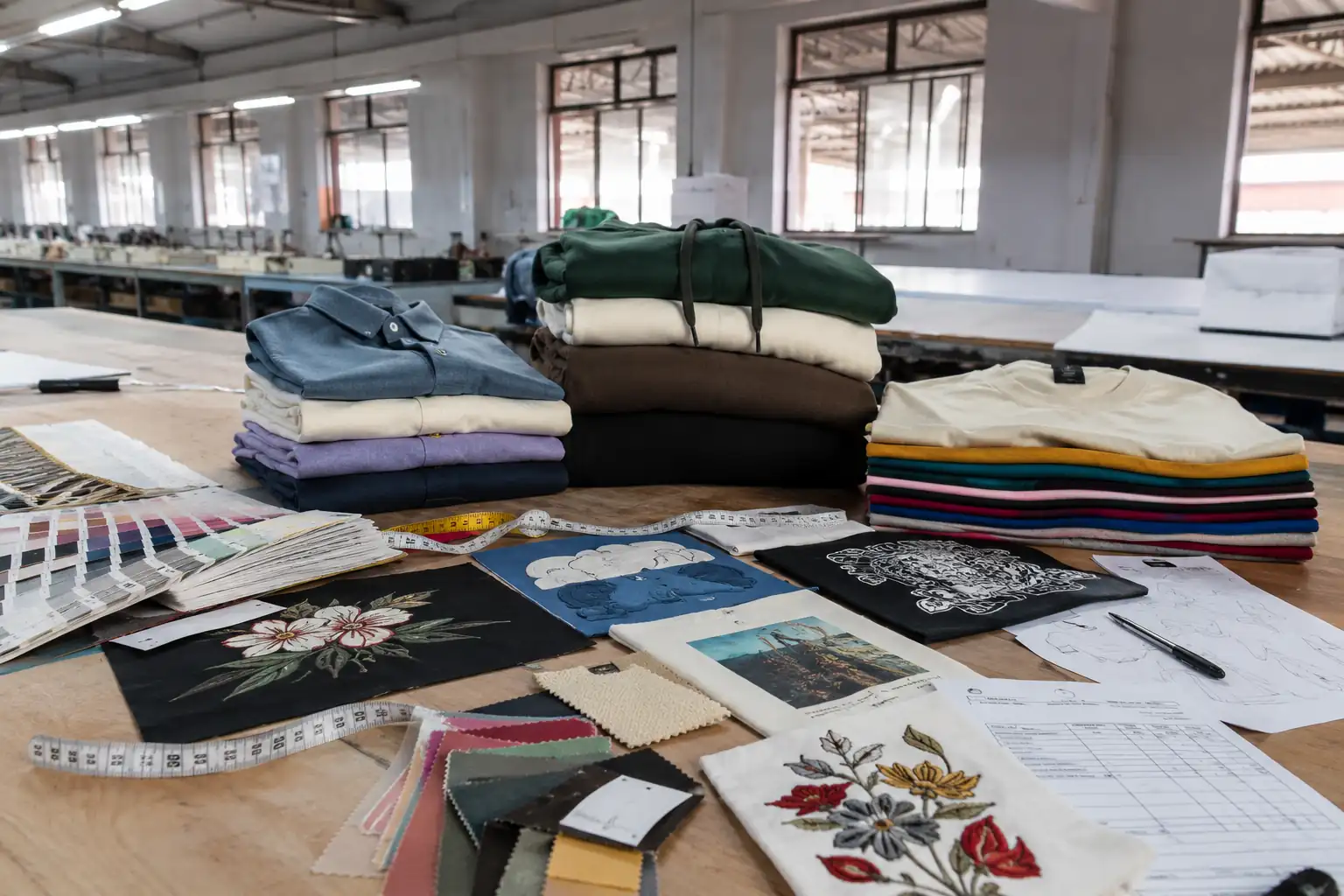
When launching a clothing brand or expanding your product range, selecting the right garment printing method is just as important as choosing the right fabric. The print affects the look, durability, feel, production cost, and overall customer experience. A premium oversized T-shirt with poor-quality printing can quickly damage your brand’s reputation, while the right printing technique can make your garments stand out in a competitive market.
Today, clothing brands have access to a wide range of garment printing methods, each designed for different order quantities, fabrics, artwork styles, and budgets. From traditional screen printing to modern DTF and DTG printing, every method offers unique advantages.
At Texora Sourcing, we help fashion brands, startups, wholesalers, and retailers choose the most suitable printing solution based on their product requirements rather than recommending a one-size-fits-all approach.
In this guide, we’ll compare the most popular garment printing techniques, explain when to use each one, and help you choose the best option for your next apparel collection.
Garment Printing Methods at a Glance
| Printing Method | Best For | MOQ | Durability | Feel on Fabric |
|---|---|---|---|---|
| Screen Printing | Bulk production | Medium to High | ★★★★★ | Soft to Medium |
| DTF Printing | Small and medium orders | Low | ★★★★☆ | Medium |
| DTG Printing | Detailed artwork | Very Low | ★★★☆☆ | Very Soft |
| Embroidery | Premium branding | Low | ★★★★★ | Raised texture |
| Puff Printing | Streetwear | Medium | ★★★★★ | 3D texture |
| Silicone Printing | Sportswear | Medium | ★★★★★ | Rubber finish |
| Plastisol Printing | Fashion basics | Medium | ★★★★★ | Medium |
| Water Based Printing | Premium cotton garments | Medium | ★★★★☆ | Extremely soft |
| High Density Printing | Luxury streetwear | Medium | ★★★★★ | Thick 3D finish |
| Sublimation Printing | Polyester apparel | Low | ★★★★★ | No print feel |
Quick Recommendation
- Large production runs: Screen Printing
- Startups with smaller quantities: DTF Printing
- Photographic artwork: DTG Printing
- Premium logos: Embroidery
- Oversized streetwear: Puff Print
- Sportswear: Silicone Printing
- Polyester garments: Sublimation
What Are Garment Printing Methods?
Garment printing methods are the techniques used to transfer artwork, logos, graphics, and branding onto finished garments such as T-shirts, hoodies, polo shirts, sweatshirts, and activewear.
The best printing method depends on several factors, including:
- Fabric composition
- Order quantity
- Design complexity
- Number of colors
- Budget
- Desired finish
- Product category
For example, a luxury embroidered polo shirt requires a completely different production process than a vibrant oversized graphic T-shirt or a performance sports jersey.
Understanding these differences helps brands reduce production costs while achieving better product quality.
1. Screen Printing
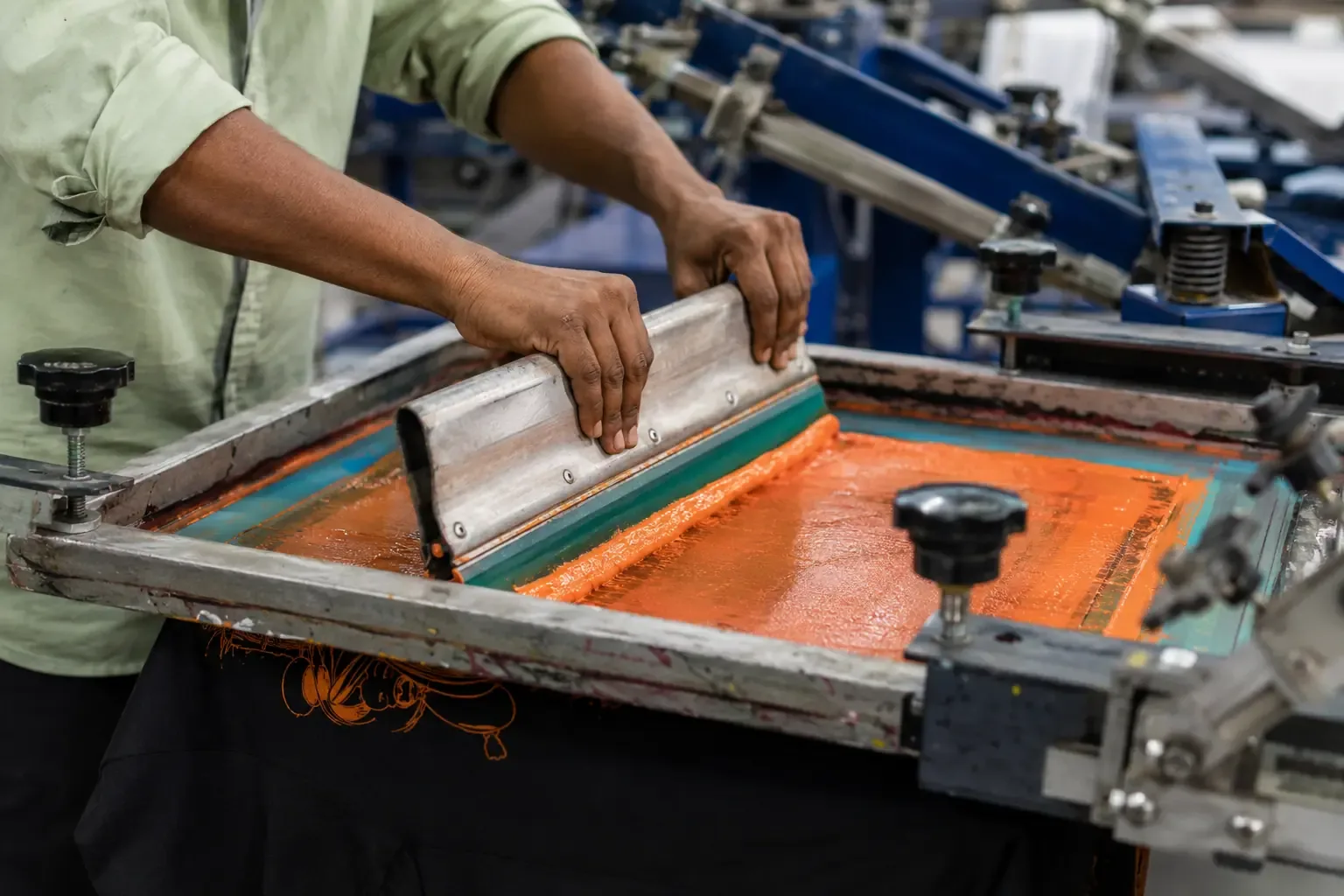
Screen printing remains the most widely used garment printing method in the apparel industry. It has been trusted by clothing manufacturers for decades because of its excellent durability, vibrant colors, and cost efficiency for bulk production.
In this process, ink is pushed through a mesh screen onto the fabric. Each color requires a separate screen, making it ideal for large production runs rather than small custom orders.
Best For
- Fashion brands
- Corporate uniforms
- Promotional apparel
- Wholesale clothing
- Bulk T-shirt manufacturing
Advantages
- Outstanding durability
- Vibrant solid colors
- Cost effective for large quantities
- Excellent wash resistance
- Suitable for cotton and cotton blends
Limitations
- Higher setup costs
- Less economical for small orders
- Complex multi-color artwork increases production time
If your brand is producing hundreds or thousands of pieces with the same artwork, screen printing usually offers the best value.
2. Direct to Film (DTF) Printing
DTF printing has become one of the fastest-growing garment printing techniques because it combines flexibility with high-quality results.
Instead of printing directly onto the fabric, the design is first printed onto a special film. It is then transferred onto the garment using heat and adhesive powder.
Unlike screen printing, DTF does not require expensive screen setup, making it ideal for smaller production quantities.
Best For
- Startup clothing brands
- Small production runs
- Multi-color artwork
- Sample development
- Custom apparel
Advantages
- No minimum color limitations
- Excellent for detailed artwork
- Works on cotton, polyester, and blended fabrics
- Lower setup costs
- Faster sampling
Limitations
- Slightly heavier print feel than DTG
- Higher unit cost for large orders
- Not always the most breathable option for large graphics
For startups launching their first collection, DTF is often an excellent balance between quality and affordability.
3. Direct to Garment (DTG) Printing
One of the most searched garment printing methods today is DTG printing, especially among clothing startups and custom apparel businesses.
Direct to Garment printing uses specialized inkjet technology to print designs directly onto the fabric. The process is similar to printing on paper but uses textile inks that bond with cotton fibers.
Many people ask, “What is DTG printing?”
Simply put, DTG allows manufacturers to print highly detailed, full-color graphics without creating screens or transfer films.
Best For
- Photo-realistic artwork
- Online clothing brands
- Print-on-demand businesses
- Short production runs
- Custom graphics
Advantages
- Incredible detail
- Unlimited color capability
- Soft print feel
- No screen setup
- Ideal for one-off production
Limitations
- Slower than screen printing
- Best suited for cotton garments
- Higher cost per piece
- Less economical for bulk manufacturing
DTG is ideal when artwork contains gradients, photographs, or intricate illustrations that are difficult to reproduce with traditional screen printing.
4. Embroidery
Although embroidery is technically not a printing method, it remains one of the most requested decoration techniques in garment manufacturing.
Instead of applying ink, embroidery uses colored threads stitched directly into the garment to create logos, monograms, and branding elements.
This technique adds a premium appearance that many luxury fashion brands and corporate apparel companies prefer.
Best For
- Polo shirts
- Hoodies
- Caps
- Sweatshirts
- Premium branding
Advantages
- Extremely durable
- Premium appearance
- Excellent wash resistance
- Professional finish
- Adds perceived product value
Limitations
- Not suitable for large artwork
- Higher production cost
- Limited detail for very small text
- Heavier than printed graphics
For premium collections, embroidery is often combined with other garment printing methods to create a sophisticated finish. For example, a hoodie may feature a large puff print graphic on the back with an embroidered chest logo for a high-end streetwear look.
5. Puff Print
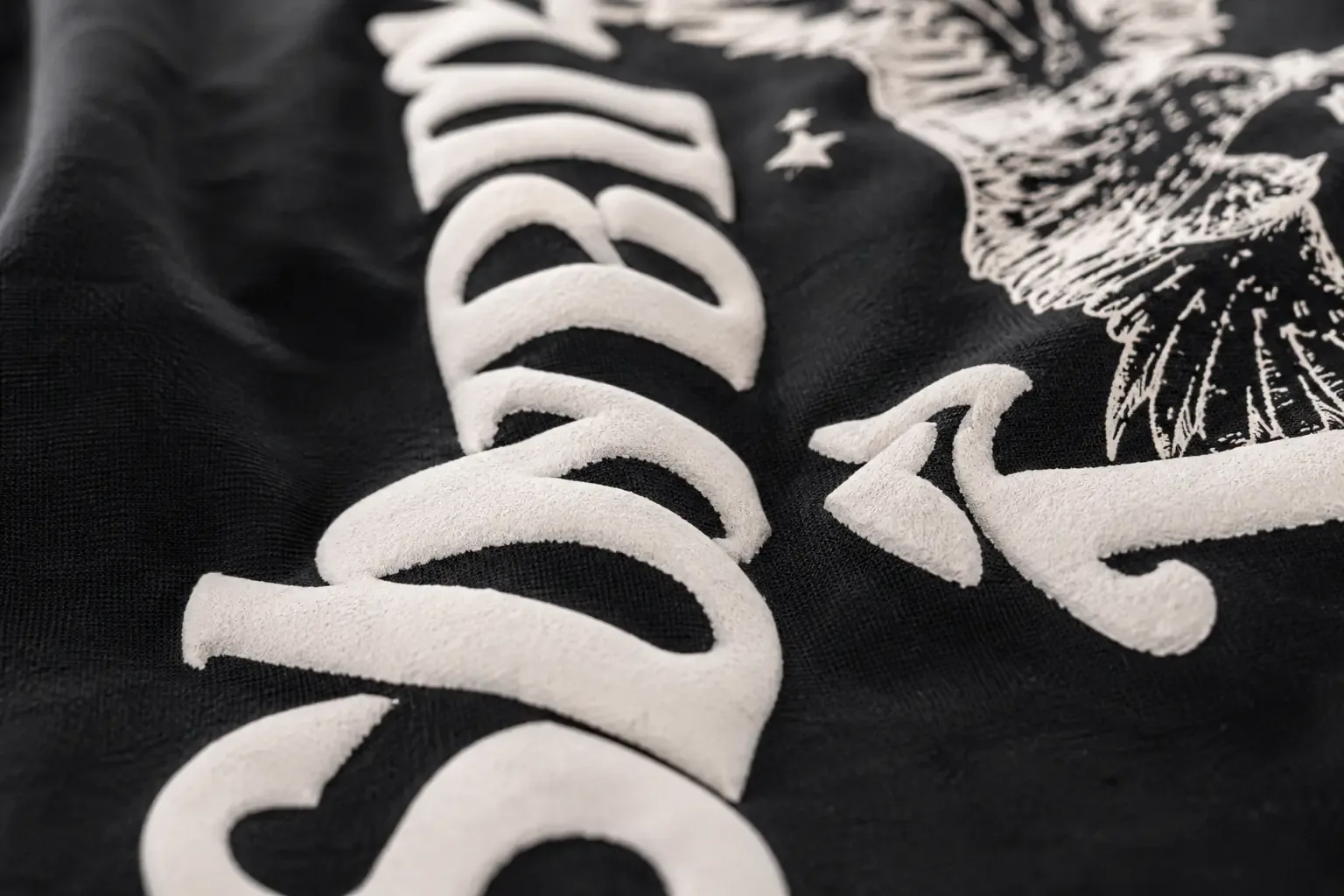
Puff printing has become one of the most popular garment printing methods for oversized T-shirts and modern streetwear collections. It uses a special additive mixed with plastisol ink that expands when exposed to heat, creating a raised three-dimensional effect.
This textured finish gives graphics greater depth and makes designs stand out without adding extra materials.
Best For
- Oversized T-shirts
- Streetwear brands
- Hoodies
- Fashion collections
- Premium graphic apparel
Advantages
- Premium 3D appearance
- Excellent durability
- Popular in modern fashion
- Ideal for bold typography and logos
- Creates a unique tactile finish
Limitations
- Not suitable for highly detailed artwork
- Fine lines may lose definition
- Requires experienced print technicians
Many international fashion brands use puff printing for oversized collections because it adds perceived value while keeping production relatively efficient.
6. Silicone Printing
Silicone printing creates a flexible rubber-like finish that stretches with the garment instead of cracking. It has become increasingly popular for sportswear, activewear, and premium performance apparel.
Unlike traditional plastisol prints, silicone remains soft and elastic even after repeated washing.
Best For
- Activewear
- Sports jerseys
- Compression garments
- Premium branding
- Outdoor apparel
Advantages
- Excellent stretchability
- High durability
- Premium appearance
- Soft rubber finish
- Resistant to cracking
Limitations
- Higher production cost
- Specialized equipment required
- Not necessary for every garment type
7. Plastisol Printing
Plastisol printing is one of the most established techniques in commercial garment production. It uses PVC-based inks that sit on the surface of the fabric, producing bright colors with excellent opacity.
It remains a preferred choice for large-scale T-shirt manufacturing due to its consistency and durability.
Best For
- Promotional apparel
- Fashion basics
- Corporate clothing
- Large production orders
Advantages
- Bright colors
- Long-lasting prints
- Excellent opacity on dark garments
- Cost effective for bulk production
Limitations
- Slightly thicker print feel
- Less breathable than water-based inks
- Not considered the most sustainable option
8. Water Based Printing
Water-based printing uses inks that penetrate the fabric rather than sitting on top of it. The result is an exceptionally soft print that feels like part of the garment.
Many premium clothing brands prefer this method because it offers a more natural hand feel while maintaining vibrant colors on light-colored cotton fabrics.
Best For
- Premium cotton T-shirts
- Sustainable clothing brands
- Lifestyle apparel
- Fashion collections
Advantages
- Softest print feel
- Comfortable to wear
- Eco-friendlier than plastisol
- Excellent breathability
Limitations
- Less vibrant on dark garments without special preparation
- Requires skilled production
- Higher manufacturing cost
9. Sublimation Printing
Sublimation printing uses heat to convert ink into gas, permanently bonding it with polyester fibers. Because the ink becomes part of the fabric, there is no raised print layer.
The finished garment remains lightweight, breathable, and highly durable.
Best For
- Polyester sportswear
- Cycling jerseys
- Running apparel
- Performance wear
- Team uniforms
Advantages
- No cracking
- No peeling
- Unlimited colors
- Permanent print
- Lightweight finish
Limitations
- Only works on polyester
- Not suitable for cotton garments
- Light-colored fabrics produce the best results
10. High Density Printing
High density printing creates thick, raised graphics with sharp edges, making it a favorite for luxury streetwear and premium fashion collections.
Unlike puff printing, the raised effect comes from multiple layers of ink rather than expansion during curing.
Best For
- Luxury streetwear
- Premium branding
- Fashion graphics
- Statement logos
Advantages
- Sharp three-dimensional effect
- Premium appearance
- Excellent durability
- Modern aesthetic
Limitations
- Higher production cost
- Longer setup time
- Better suited for bold artwork
11. Heat Transfer Printing
Heat transfer printing applies pre-printed graphics onto garments using heat and pressure.
This method is commonly used for personalized apparel, sports names, event merchandise, and small custom orders.
Best For
- Custom orders
- Event merchandise
- Team uniforms
- Personalized clothing
Advantages
- Fast production
- Low setup cost
- Suitable for small quantities
- Good color reproduction
Limitations
- Lower durability than screen printing
- Can crack over time
- Less breathable for large graphics
12. Vinyl Printing
Vinyl printing uses heat-applied vinyl sheets that are cut into specific shapes before being transferred to garments.
Although less common in mass manufacturing, it remains useful for customized apparel.
Best For
- Sports jerseys
- Names and numbers
- Team apparel
- Promotional garments
Advantages
- Crisp lettering
- Excellent color consistency
- Good durability
- Ideal for personalization
Limitations
- Not suitable for complex artwork
- Less flexible for large graphics
- Higher labor cost for intricate designs
Comparison of Popular Garment Printing Methods
| Printing Method | Cotton | Polyester | Small Orders | Bulk Orders | Premium Look |
|---|---|---|---|---|---|
| Screen Printing | ✔ | ✔ | ★★☆☆☆ | ★★★★★ | ★★★★☆ |
| DTF Printing | ✔ | ✔ | ★★★★★ | ★★★☆☆ | ★★★★☆ |
| DTG Printing | ★★★★★ | ★★☆☆☆ | ★★★★★ | ★★☆☆☆ | ★★★★☆ |
| Embroidery | ✔ | ✔ | ★★★★☆ | ★★★★☆ | ★★★★★ |
| Puff Print | ✔ | ✔ | ★★★☆☆ | ★★★★☆ | ★★★★★ |
| Silicone Print | ✔ | ✔ | ★★★☆☆ | ★★★★☆ | ★★★★★ |
| Water Based Print | ★★★★★ | ★★☆☆☆ | ★★★☆☆ | ★★★★☆ | ★★★★★ |
| Plastisol Print | ✔ | ✔ | ★★★☆☆ | ★★★★★ | ★★★★☆ |
| Sublimation | ✖ | ★★★★★ | ★★★★☆ | ★★★★☆ | ★★★★☆ |
Which Garment Printing Method Should You Choose?
There is no single printing technique that works best for every apparel brand. The right choice depends on your product, order quantity, artwork, and target market.
Choose Screen Printing if:
- You have large production quantities.
- Your artwork uses solid colors.
- You need maximum durability.
Choose DTF Printing if:
- You are launching a startup.
- You need flexible MOQs.
- Your artwork contains multiple colors.
Choose DTG Printing if:
- You print photographs or detailed illustrations.
- You produce custom or print-on-demand garments.
Choose Embroidery if:
- You want premium branding.
- You manufacture polo shirts, hoodies, or corporate apparel.
Choose Puff Print if:
- You design oversized T-shirts.
- Your brand focuses on streetwear.
- You want bold, textured graphics.
Choose Silicone Printing if:
- You manufacture sportswear.
- Your garments require flexibility and stretch.
Choose Water Based Printing if:
- You prioritize softness.
- You produce premium cotton apparel.
- Sustainability is important to your brand.
DTG vs Screen Printing vs DTF
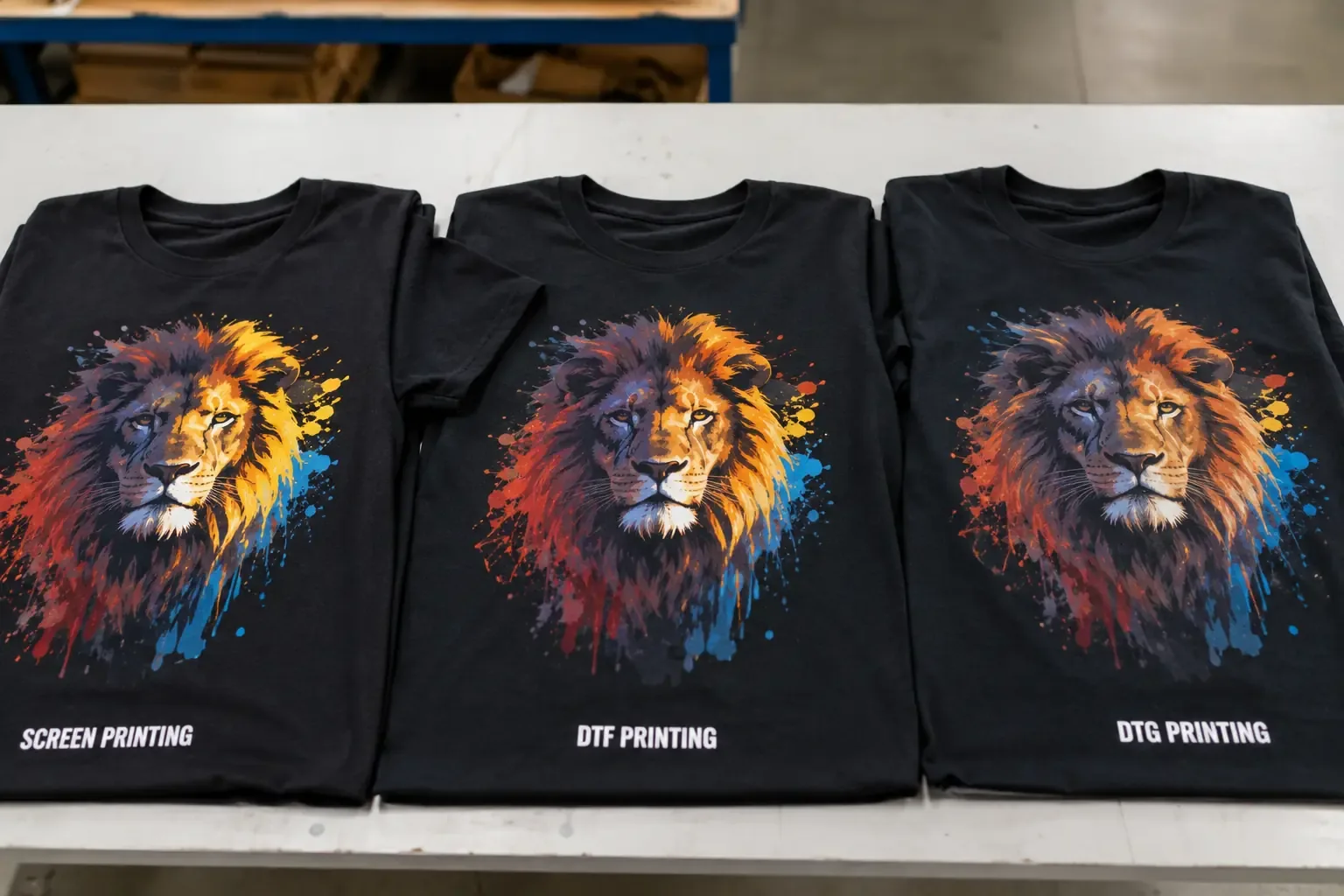
One of the most common questions clothing brands ask is which printing method offers the best balance of quality, durability, and cost. While all three techniques produce excellent results, they are designed for different manufacturing requirements.
| Feature | Screen Printing | DTF Printing | DTG Printing |
|---|---|---|---|
| Best for | Bulk production | Small to medium orders | Custom and on-demand printing |
| Setup Cost | High | Low | Low |
| Cost Per Piece | Low for bulk | Medium | High |
| Print Detail | Excellent | Excellent | Outstanding |
| Color Capability | Very Good | Excellent | Unlimited |
| Durability | ★★★★★ | ★★★★☆ | ★★★☆☆ |
| Cotton | Excellent | Excellent | Best |
| Polyester | Good | Excellent | Limited |
| Large Orders | ★★★★★ | ★★★☆☆ | ★★☆☆☆ |
| Small Orders | ★★☆☆☆ | ★★★★★ | ★★★★★ |
Which One Should You Choose?
Choose Screen Printing if you are manufacturing hundreds or thousands of garments with the same artwork. It offers the lowest cost per piece and exceptional durability.
Choose DTF Printing if you are a growing clothing brand that needs flexibility, colorful designs, and smaller production quantities without expensive setup costs.
Choose DTG Printing if your artwork contains photographs, gradients, or intricate illustrations and you require very small production runs or print-on-demand capabilities.
Embroidery vs Garment Printing
Embroidery and printing serve different purposes rather than competing with each other.
Embroidery creates a premium stitched finish using threads, while printing applies artwork using inks or transfer techniques.
| Feature | Embroidery | Printing |
|---|---|---|
| Premium Appearance | ★★★★★ | ★★★★☆ |
| Fine Artwork | ★★☆☆☆ | ★★★★★ |
| Large Graphics | ✖ | ✔ |
| Logos | ★★★★★ | ★★★★☆ |
| Streetwear | ★★★☆☆ | ★★★★★ |
| Polo Shirts | ★★★★★ | ★★★☆☆ |
| Hoodies | ★★★★★ | ★★★★★ |
| Cost | Higher | Lower |
Many premium apparel brands combine both methods. For example, a hoodie may feature an embroidered chest logo and a puff print graphic on the back to create a high-end retail finish.
Common Mistakes When Choosing Garment Printing Methods
Choosing a printing method based only on price often leads to disappointing results. Here are some of the most common mistakes brands should avoid.
Selecting the Wrong Method for the Fabric
Not every printing technique works well on every fabric. Sublimation is designed for polyester, while DTG performs best on cotton garments.
Ignoring Order Quantity
Screen printing becomes cost effective for bulk orders, while DTF and DTG are better suited for smaller quantities.
Prioritizing Cost Over Quality
The cheapest option may not provide the durability or appearance your customers expect. Consider the long-term value of your products rather than focusing only on initial production costs.
Overlooking Artwork Complexity
Highly detailed graphics require different printing methods than simple logos or text. Choosing the right process ensures your artwork is reproduced accurately.
Skipping Sample Approval
Always request a production sample before approving bulk manufacturing. This helps identify any issues with colors, placement, or print quality before full-scale production begins.
How Texora Sourcing Helps You Choose the Right Printing Method
At Texora Sourcing, we believe there is no universal “best” garment printing method. Every clothing collection has different objectives, fabrics, budgets, and branding requirements.
Our team works closely with fashion brands, startups, retailers, and wholesalers to recommend the most suitable decoration technique based on factors such as:
- Garment type
- Fabric composition
- Order quantity
- Artwork complexity
- Brand positioning
- Target market
- Production budget
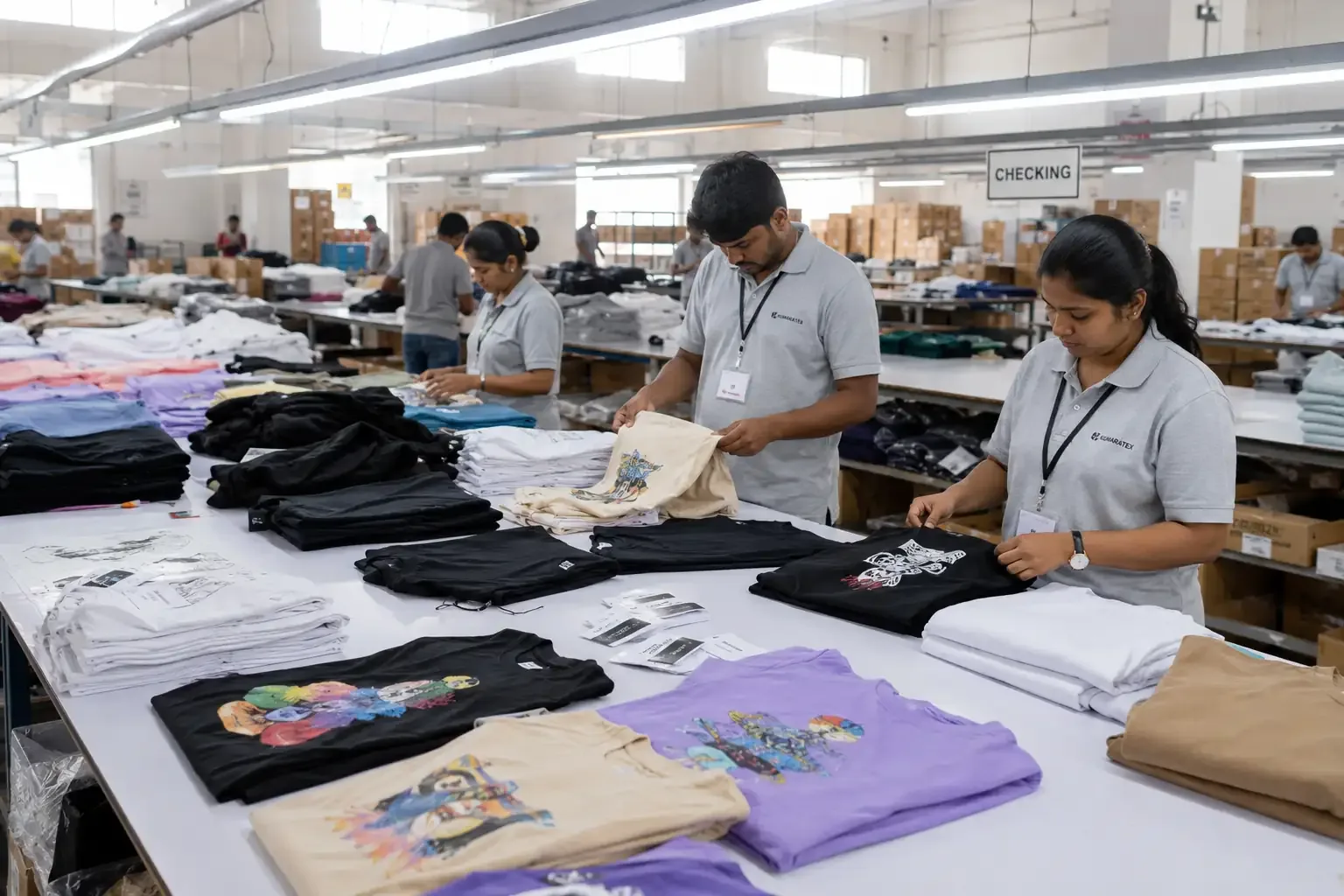
Whether you are developing oversized streetwear, premium polo shirts, custom hoodies, activewear, or children’s clothing, we help ensure your garments receive the most appropriate printing solution for both quality and cost efficiency.
Frequently Asked Questions
Screen printing, embroidery, silicone printing, and high-density printing are among the most durable garment decoration methods. With proper care, these techniques can withstand repeated washing while maintaining their appearance.
DTG stands for Direct to Garment printing. It uses specialized textile inkjet technology to print artwork directly onto fabric, making it ideal for highly detailed designs and small production runs.
Neither method is universally better. DTF is ideal for low MOQ production and colorful artwork, while screen printing remains the preferred choice for large-volume manufacturing due to its durability and lower cost per unit.
Screen printing, DTG printing, and water-based printing all produce excellent results on cotton garments. The best choice depends on your artwork and production quantity.
Puff printing has become one of the most popular choices for oversized streetwear because it creates bold three-dimensional graphics. Screen printing and high-density printing are also widely used for premium oversized collections.
Yes. Many premium apparel brands combine embroidery with screen printing, puff printing, or silicone printing to create unique garments with greater visual appeal.
Final Thoughts
Choosing the right garment printing method is an important step in creating apparel that reflects your brand’s quality and identity. Screen printing, DTF, DTG, embroidery, puff printing, silicone printing, and other techniques each offer unique advantages depending on your fabric, artwork, production quantity, and target audience.
Instead of selecting a printing method based solely on cost or popularity, consider how the decoration will perform throughout the product’s lifecycle. Durability, comfort, visual impact, and production efficiency all contribute to customer satisfaction and long-term brand success.
At Texora Sourcing, we help clothing brands identify the most suitable garment printing techniques for their collections while managing product development, fabric sourcing, sampling, manufacturing, quality control, and global export from Tiruppur, India’s knitwear hub.
Whether you are launching your first fashion label or scaling an established apparel business, choosing the right printing method from the beginning will help you deliver products that meet customer expectations and strengthen your brand’s reputation.